
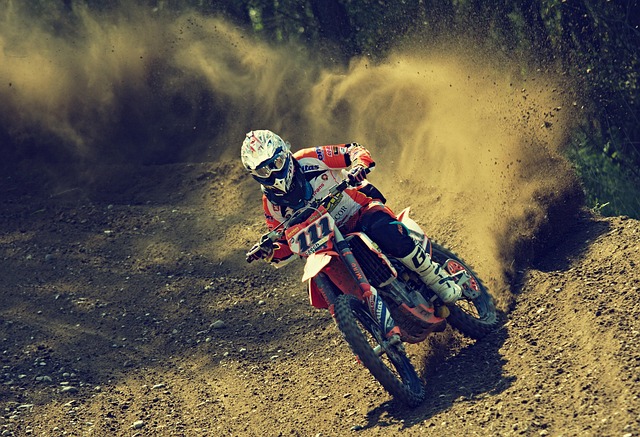
Aspiring Select Street Racers must balance risks with rewards, investing financially and physically while embracing competition's thrill. Start with formal instruction and local community engagement for skill development and networking. Choose street or circuit racing based on preference, considering accessibility and challenge levels. Participate in local to national events, gaining experience and strategies. Build industry connections for sponsorships, guidance, and resources. Leverage strategic planning, community insights, and financial backing to advance in Select Street Racing.
Becoming a professional racer is more than just driving fast—it’s a blend of skill, strategy, and unwavering dedication. In the competitive world of street racing, where adrenaline fuels passion, aspiring athletes often struggle to find a clear path to prominence. This article serves as your comprehensive guide, offering insights and strategies to navigate the challenges of entering this exhilarating arena. We’ll explore everything from mastering techniques unique to street racing to understanding the business side of sports, empowering you with the knowledge needed to leave your mark on the track and beyond.
- Understand the Risks and Rewards of Professional Racing
- Build a Solid Foundation: Skills and Physical Conditioning
- Choose Your Racing Path: Select Street Racing or Circuits
- Gain Experience: Start with Local Races and Work Up
- Develop a Network: Find Mentors, Sponsors, and Opportunities
Understand the Risks and Rewards of Professional Racing

Becoming a professional racer is a dream for many, yet it’s crucial to understand the risks and rewards this path entails. Professional racing, particularly in select street racing events, demands an unwavering commitment, both physical and financial. Before diving into this intense arena, aspiring racers should weigh the potential outcomes, which can vary significantly from modest financial gains to international fame and substantial prizes.
The risks are multifaceted. The high-speed nature of racing increases the likelihood of accidents, with data indicating a higher rate of injuries among professional racers compared to other sports. Proper preparation, including extensive driving courses and regular physical training, mitigates these dangers but cannot eliminate them entirely. Additionally, the financial investment is substantial; costs for race registration forms, motorsport photography equipment, and vehicle modifications—such as advanced auto body upgrades—can add up quickly. For instance, a single high-profile race event might require thousands of dollars in preparation and entry fees.
However, the rewards can be life-changing. Professional racers often gain public recognition, securing sponsorship deals that further fuel their careers. Successful performances in renowned races like the Le Mans 24 Hours or the World Endurance Championship can open doors to international opportunities. Moreover, the thrill of competition and the camaraderie among fellow racers create an unparalleled experience. For those who embrace challenges, professional racing offers a unique blend of adrenaline-pumping action and rewarding career prospects, especially when combined with strategic marketing through social media and traditional outlets, showcasing one’s skills via motorsport photography.
Build a Solid Foundation: Skills and Physical Conditioning

Becoming a professional racer is a multifaceted journey that requires a strong foundation in both skills and physical conditioning. For those drawn to the thrill of Select Street Racing, establishing a robust baseline is the first step towards achieving elite levels. This involves mastering a diverse range of driving techniques, from precision cornering to smooth gear changes, all while cultivating a sharp understanding of vehicle dynamics. Physical conditioning is equally vital, demanding a combination of cardiovascular endurance, reactive agility, and muscular strength to navigate the demands of both track and road.
A strategic approach to skill development begins with formal instruction. Enrolling in professional racing schools or joining a racing team for tryouts offers invaluable opportunities to learn from experienced instructors and collaborate with like-minded enthusiasts. These structured environments provide a platform for acquiring fundamental skills, understanding racing strategy, and familiarizing oneself with the legal implications of participating in competitive events. For instance, understanding the specific regulations governing street racing, including safety standards and permitted modifications, is paramount to ensuring compliance and mitigating risks.
Beyond formal training, immersing oneself in the local racing community can significantly enhance development. Regularly attending local racing events, joining online forums, or participating in local driving clubs facilitates networking, peer learning, and exposure to diverse racing styles. Engaging with the community not only broadens one’s perspective but also provides insights into upcoming events, potential team opportunities, and the latest racing trends. As the saying goes, “you learn more from your peers than from books,” and the racing community is a testament to this wisdom.
Choose Your Racing Path: Select Street Racing or Circuits

Choosing your racing path is a pivotal step in your journey to becoming a professional racer. Two prominent avenues stand out: street racing and circuit racing. Each offers unique challenges and opportunities. Street racing, for instance, involves racing on public roads, requiring exceptional driving skills, adaptability, and quick decision-making abilities. It’s not just about speed; it’s about navigating unpredictable urban environments while maintaining control of your vehicle. Local car show competitions and sharing race experiences through extreme street racing videos can offer invaluable insights into the nuances of this discipline.
On the other hand, circuit racing takes place on purpose-built tracks, providing a more controlled environment for racers to test their mettle. These tracks are designed with consistent surfaces and marked turns, allowing drivers to focus on refining their techniques and strategies. Participating in street racing events 1-3 times to gain hands-on experience can be beneficial before committing fully to circuits. The data shows that many professional racers start with street racing due to its accessibility and the wide range of vehicles it allows, but circuit racing cultivates a deeper understanding of car dynamics and strategic planning.
Selecting your path shouldn’t be based solely on popularity or what’s readily available. It should align with your personal preferences, skill set, and long-term goals. If you thrive in dynamic, unpredictable settings and have a passion for urban driving, street racing might be the natural choice. Conversely, if structured environments and technical challenges appeal to you, circuit racing could be where your career takes off. Ultimately, the best approach is to immerse yourself in both, sharing race experiences with peers and learning from each discipline to become a well-rounded racer.
Gain Experience: Start with Local Races and Work Up
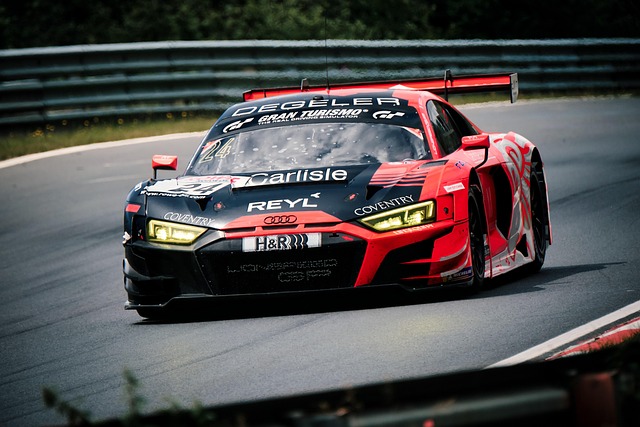
Becoming a professional racer is a journey that demands dedication, skill, and a strategic approach to gaining experience. One proven path involves starting at the grassroots level, specifically through local races, where aspiring racers can hone their craft and work their way up. This organic progression allows for a deeper understanding of racing dynamics and a natural evolution into more competitive arenas.
The first step is to immerse oneself in the local racing community. Joining clubs, attending events, and engaging with fellow enthusiasts provides invaluable exposure to various racing disciplines. Local drag racing tracks, known for their high-octane atmosphere, offer an ideal environment to learn the fundamentals of acceleration and speed. Many tracks host regular meets catering to different vehicle types, including classic collectible hot rods, which can serve as a unique entry point for beginners. These early experiences not only refine driving techniques but also foster a deep appreciation for the sport’s rich history and culture.
As skills develop, racers should seek opportunities to participate in regional and national events. This progression allows for a broader understanding of competition standards and introduces more sophisticated racing strategies. For instance, data from prominent racing organizations shows that those who start with local races often demonstrate improved reaction times and better vehicle control when transitioning to higher-level competitions. It’s this blend of real-world experience and strategic planning that sets the stage for a successful professional racing career, whether on street circuits or in organized drag events.
Develop a Network: Find Mentors, Sponsors, and Opportunities

Becoming a professional racer is a dream for many, but turning that aspiration into reality requires strategic planning and cultivating the right connections. One pivotal aspect often overlooked yet crucial to your success is developing a robust network within the racing industry. This involves finding mentors who can guide you, securing sponsors for financial backing, and actively seeking out opportunities to showcase your skills.
Start by reaching out to seasoned racers and mechanics who have carved successful paths in the world of street racing. These individuals can offer invaluable advice, share insights into the industry’s ins and outs, and potentially open doors to new prospects. For instance, many professional racers began their journeys on local race tracks or through daring stunts organized by like-minded communities. Engaging with these networks allows you to learn from their experiences and avoid common pitfalls. Consider attending racing events, both traditional and unconventional racing formats, where you can network with peers and industry professionals.
Sponsorship plays a significant role in funding your racing endeavors and promoting your brand as a rising star. Approach businesses or individuals who align with your racing style and vision. For instance, high-performance car manufacturers or companies specializing in automotive accessories could be potential sponsors. A well-established network of mentors and sponsors not only provides financial support but also access to essential resources like insured high-performance cars, which are crucial for street racers. Additionally, they can facilitate race track rentals, offering you opportunities to practice and compete at professional levels 1-3 times a year, depending on your progress.
Remember, building a network is an ongoing process that requires dedication and perseverance. Regularly connect with industry professionals, stay updated on the latest trends in street racing, and continuously refine your skills. By fostering meaningful relationships and leveraging available resources, you can accelerate your journey towards becoming a professional racer, whether through traditional or unconventional means.
After thoroughly exploring the path to becoming a professional racer, it’s clear that success requires a balanced approach. Understanding the risks and rewards is paramount, while building a strong foundation of skills and physical conditioning lays the groundwork for achievement. Choosing your racing path wisely—whether street racing or circuits—is essential, as each offers unique challenges and opportunities. Gaining experience through local races and progressive progression is crucial, and developing a robust network of mentors, sponsors, and connections can open doors to advancement. Ultimately, this article equips readers with the knowledge to make informed decisions, emphasizing that selecting the right racing path, like naturally leaning towards street racing, can be a game-changer in pursuing a professional career behind the wheel.