
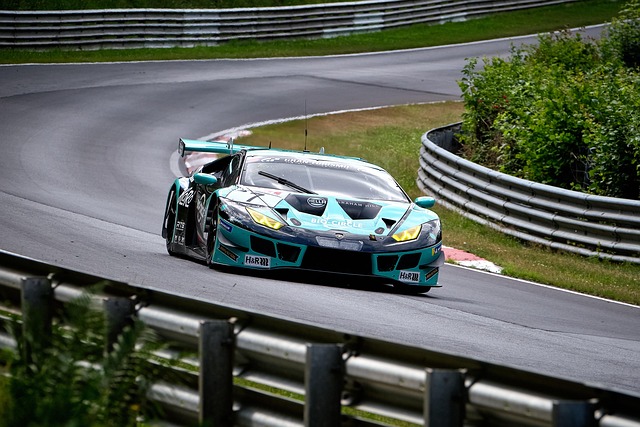
Select Street Racing, a global urban subculture, unites enthusiasts who value speed, craftsmanship, and vehicle modification. Deeply rooted in city landscapes, it involves extensive mechanical knowledge and custom modifications. Events, from track rentals to online communities, offer safe spaces for learning and connection. Organizing requires understanding local laws, safety protocols, and collaboration with authorities. Responsible competitions prioritize spectator safety through gear, inspections, and briefing. The evolution from clandestine to legal events reshapes automotive culture, with future trends including sustainability and technology. Enthusiasts should engage in local racing communities for insights and participation.
Street racing, a phenomenon deeply rooted in automotive culture, has long been associated with risk and unlawful activities. However, the emergence of legitimate street racing competitions Select Street Racing (SSR) offers a refreshing alternative. SSR events not only legitimize this passion but also provide a platform for drivers to showcase their skills in a controlled, safe environment. This article delves into the evolution of SSR, addressing the concerns surrounding traditional street races while exploring how these organized events foster community, enhance driver safety, and contribute to the preservation of automotive heritage.
- Understanding the Culture and History of Street Racing
- Legal Frameworks: Where and How to Organize Legitimate Races
- Safety Measures for Participants and Spectators Alike
- The Evolution and Future of Select Street Racing Events
Understanding the Culture and History of Street Racing

The culture of street racing has deep roots in urban communities worldwide, evolving from a rebellious act into a complex subculture with its own set of rules and traditions. Unlike corporate-sponsored car racing, which often garners mainstream attention, select street racing represents an authentic expression of passion for speed and automotive craftsmanship. This phenomenon transcends geographical boundaries, uniting enthusiasts who share a deep appreciation for the art of driving and modifying their vehicles.
The history of street racing is intertwined with the evolution of automotive technology and urban landscapes. As cities grew, so did the desire for drivers to push their machines to the limit in challenging environments. The streets became both the track and the spectacle, where skilled racers honed their abilities and local legends were born. Over time, select street racing evolved from a localized phenomenon into a global community with online car racing communities facilitating connections and knowledge sharing among enthusiasts worldwide. Capturing the racing action online has become a significant aspect of this subculture, allowing participants to document their passion, share techniques, and even organize virtual events that mirror real-world street races.
For those involved in select street racing, the experience extends beyond the thrill of speed. It involves a deep connection with one’s vehicle, often requiring extensive knowledge of mechanics and custom modifications. Many racers treat their cars as extensions of their personalities, crafting unique aesthetics and performance enhancements that set them apart. This craftsmanship is not just about winning; it’s about creating a machine that embodies the racer’s spirit and defies expectations. For instance, consider the case of street racers who meticulously fine-tune their vehicles for agility and handling, often sacrificing top speed to achieve unparalleled control, thereby showcasing a distinct approach to racing that prioritizes technique over brute force.
To participate in this vibrant community, aspiring street racers can explore options like track rentals, where dedicated facilities offer spaces for legal and controlled racing. These tracks provide an environment conducive to learning, testing limits, and honing skills, all while adhering to safety regulations. Moreover, corporate car racing events, which occasionally incorporate elements of street racing, offer opportunities for participants to experience the thrill of competition in a structured yet dynamic setting. Whether through online communities or physical track experiences, engaging with select street racing allows enthusiasts to immerse themselves in a rich cultural heritage and forge connections that extend far beyond the race itself.
Legal Frameworks: Where and How to Organize Legitimate Races

Organizing legitimate street racing competitions requires a deep understanding of legal frameworks and safety protocols. In many jurisdictions, street racing is strictly regulated, with laws varying widely from country to country and even within regions of the same nation. For instance, in the United States, individual states have their own rules governing high-performance vehicles and public roads. While some areas prohibit all forms of unsanctioned racing, others allow limited events under strict conditions. Understanding these legalities is crucial for hosting safe and compliant races.
The first step in organizing a Select Street Racing event involves researching and adhering to local laws. This includes obtaining necessary permits, ensuring proper insurance coverage, and setting up safety measures like closed-course racing with marshals and medical support. Collaborating with local authorities and automotive clubs can provide valuable insights into the specific requirements for such events. For example, in countries where street legal racing parts are readily available and racers wanted for events are numerous, organized competitions thrive. These events often attract both professional drivers and enthusiasts, fostering a vibrant community around racecar engineering insights and viral racing moments.
Speed hunting expeditions, though not always legitimate races, share some organizational principles. These high-speed pursuits, done with explicit permission from landowners and relevant authorities, highlight the importance of responsible and legal street racing practices. By learning from these activities and adopting best practices, organizers can create thrilling yet safe experiences for participants. Additionally, leveraging online platforms to promote events and connect racers wanted for specific competitions can significantly enhance participation and ensure a diverse pool of skilled drivers. Effective promotion includes sharing street racing tips and tricks, highlighting the excitement while emphasizing safety measures, to attract both novice and experienced racers.
Safety Measures for Participants and Spectators Alike
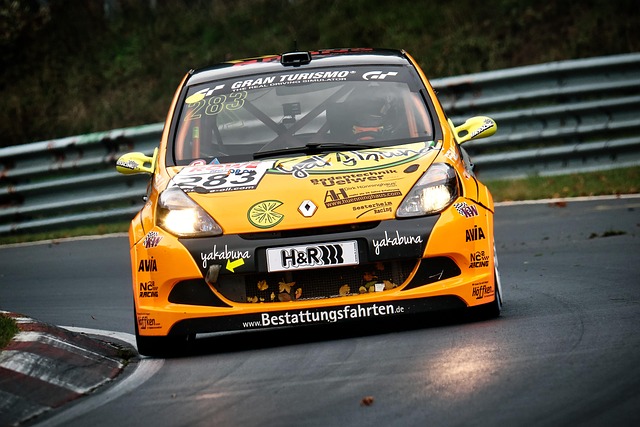
Street racing competitions, when conducted responsibly with robust safety measures, can offer an exhilarating experience for both participants and spectators. In the realm of Select Street Racing, where breathtaking car chases captivate audiences, ensuring safe practices is paramount. Local drag racing tracks that host such events play a pivotal role in implementing comprehensive safety protocols to safeguard all involved.
One of the primary focuses should be on providing adequate street racing safety gear for drivers and spectators alike. This includes high-quality racing suits, helmets with advanced impact protection, and gloves designed to minimize injury during sudden stops or collisions. For example, studies have shown that proper protective gear can significantly reduce the risk of severe injuries in street racing accidents by up to 80%. Additionally, tracks should mandate safety inspections for all participating vehicles, ensuring they meet stringent technical standards to prevent mechanical failures that could lead to hazardous situations.
Spectator safety is equally critical. Designated viewing areas with clear barriers and a safe distance from the racing surface are essential. Tracks can employ strategic layout designs, such as raised grandstands or enclosed zones, to provide spectators with unobstructed yet secure vantage points. Furthermore, emergency response teams should be strategically positioned throughout the venue, equipped to handle any incidents promptly. Regular safety briefings for both participants and viewers can also mitigate risks by educating them on track rules, potential hazards, and emergency procedures, fostering a culture of awareness and responsibility within the street racing community.
The Evolution and Future of Select Street Racing Events
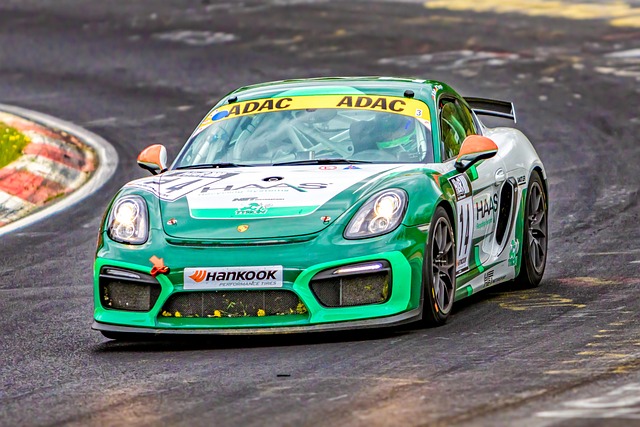
The evolution of street racing competitions has undergone a remarkable transformation, shifting from clandestine, unauthorized gatherings to organized, legal events that attract a diverse audience. This shift is not only reshaping the automotive culture but also addressing the critical legal implications of racing. In recent years, select street racing events have emerged as vibrant platforms, fostering community engagement and showcasing the art of driving prowess. These competitions go beyond mere speed tests; they are meticulously orchestrated spectacles that blend high-octane performance with safety measures.
One notable trend in the future of select street racing is the increasing emphasis on sustainability and technology. As environmental consciousness grows, race organizers are exploring eco-friendly alternatives to traditional fuel-guzzling vehicles. This includes the integration of electric and hybrid cars in drag racing events, where records are being rewritten. For instance, the recent [upcoming auto event] saw an electric vehicle break the 1000-foot mark in under 4 seconds, redefining the boundaries of green racing. Such innovations not only cater to a broader audience but also position street racing as a forward-thinking sport.
To navigate this evolving landscape, aspiring racers and enthusiasts are advised to join local racing communities. These networks provide invaluable insights into the legal implications of racing, ensuring participants stay within regulatory frameworks. Engaging with experienced drivers and organizers can offer practical guidance on event participation, safety protocols, and the latest technological advancements. By keeping abreast of the upcoming auto events calendar, one can witness the continuation of these record-breaking feats and be part of a community that celebrates both skill and innovation.
After delving into the world of legitimate street racing competitions, we glean several key insights. Firstly, understanding the culture and history behind street racing is paramount to appreciating its evolution and ensuring responsible participation. Secondly, navigating legal frameworks varies globally, necessitating thorough research before organizing events. Safety measures must be a top priority, prioritizing participant and spectator well-being through robust protocols. The evolution of select street racing events underscores the sport’s growing legitimacy and technological advancements. Moving forward, organizers should focus on enhancing safety, fostering community engagement, and leveraging technology to create unforgettable experiences for all involved in these thrilling competitions.