

Becoming a professional racer requires a multifaceted approach:
1. Assess driving skills and gain experience through high-performance schools and local street racing events in Select Street Racing.
2. Master racing nuances including safety regulations and legal implications.
3. Network within the racing community for knowledge, parts, and sponsorship.
4. Seek feedback from experienced drivers for continuous improvement.
5. Stay updated on technological advancements and regulations.
6. Transition to professional competitions by building a portfolio of achievements, networking strategically, and understanding legal requirements.
The allure of speed and the thrill of competition have long drawn aspiring individuals to the world of professional racing. However, the path to becoming a racer is fraught with challenges, demanding not just physical prowess but also strategic thinking and technical knowledge. This article delves into the transformative journey of becoming a professional racer, specifically focusing on Select Street Racing—a dynamic sub-discipline that requires a unique blend of skill and strategy. We will explore the essential steps, skills, and mindsets required to navigate this exhilarating yet demanding landscape, providing a roadmap for those eager to leave their mark on the racing world.
- Evaluate Your Skills and Passion for Racing
- Gain Experience through Local Street Racing
- Master Racing Techniques and Safety Protocols
- Transition to Professional Racing: Finding Opportunities
Evaluate Your Skills and Passion for Racing

Becoming a professional racer is a thrilling yet demanding pursuit that requires a meticulous blend of skill, passion, and strategic planning. Before diving into the competitive world of auto races near you, it’s paramount to evaluate your current abilities and the depth of your enthusiasm for racing. This introspective process serves as a foundational step towards achieving professional status, ensuring you’re not only prepared but also genuinely driven to excel in this dynamic field.
Your journey begins with an honest assessment of your driving skills. Street racing, while thrilling, comes with inherent risks, emphasizing the importance of proficiency and control. Consider your experience handling various vehicles, understanding track dynamics, and mastering techniques like cornering, braking, and acceleration. High-performance driving schools and track days can provide valuable insights into your capabilities. For instance, many professional racers started as enthusiasts who honed their skills through consistent practice and formal training.
Moreover, passion for racing goes beyond the thrill of speed. It involves a deep understanding of the sport’s nuances, from learning road safety regulations to grasping the legal implications of racing in your region. Staying informed about local laws and regulations ensures you can navigate the competitive landscape ethically and legally. Many aspiring racers find that participating in community events and engaging with established racing organizations offer opportunities to learn from seasoned professionals while also providing insights into the business side of the sport, including sponsorship, marketing, and competition management.
To harness your potential fully, seek feedback from experienced drivers and mentors who can guide you on improving both driving techniques and strategic decision-making. This mentorship not only sharpens your racing skills but also prepares you for the intense competition that defines professional auto races near you. Ultimately, success in this realm demands a commitment to continuous learning and improvement, ensuring you remain at the forefront of a dynamic sport that constantly evolves with technological advancements and changing regulations.
Gain Experience through Local Street Racing

Gaining experience through local street racing is a crucial step for aspiring professional racers. While it may seem risky, carefully managed and regulated events offer valuable insights into high-pressure situations on the track. Local street races provide an opportunity to test your skills in diverse environments, from urban streets to country roads, showcasing your ability to adapt quickly under varying conditions. This hands-on experience is invaluable when transitioning to more formal racing circuits or professional competitions.
Selecting the right street racing events is key. Look for unique race categories that cater to different driving styles and skill levels. These can range from timed trials to drag races, each offering a distinct challenge. Engaging in such diverse events allows you to refine your techniques across various scenarios, whether navigating tight urban corners or maintaining speed on straightaways. Moreover, familiarize yourself with local road safety regulations to ensure compliance and promote responsible racing. Many regions have specific guidelines for street races, which, when followed, demonstrate your commitment to both skill development and public safety.
Consider enrolling in racing driving courses alongside local street racing. These courses provide structured learning opportunities, teaching advanced driving techniques and safety protocols. They also offer insights into auto body modifications that can enhance performance while adhering to legal standards. For instance, learning how to optimize tire pressure or adjust suspension settings for better handling can give you an edge on the track. Data from racing organizations shows that drivers with formal training often exhibit improved reaction times and cornering precision, solidifying their competitive edge.
Finally, leverage your local street racing experience to build a network within the racing community. Connect with fellow racers, mechanics, and organizers to gain insights into unique opportunities and emerging trends. This network can provide guidance on which race series to pursue, where to source specialized parts, and even potential sponsorship options. Remember, becoming a professional racer is a journey that requires dedication, continuous learning, and strategic networking.
Master Racing Techniques and Safety Protocols

Becoming a professional racer requires an unwavering commitment to mastering racing techniques and embracing safety protocols. For those drawn to the thrill of speed hunting expeditions on city streets, select street racing can be a natural starting point. This high-risk sport demands not just raw velocity but also precise handling, strategic planning, and a thorough understanding of vehicle dynamics.
Mastering racing techniques involves delving into the intricacies of aerodynamics—how your car interacts with the air around it, affecting both speed and stability. Aero dynamics explained provides valuable insights into how body modifications can be used to reduce drag, increase downforce, and optimize cornering capabilities. Consider the example of a sleek, low-slung sports car with carefully designed spoilers; these modifications, while enhancing performance, must also adhere to safety standards. Practical tips include attending specialized racing driving courses where experienced instructors impart knowledge on everything from braking techniques to trail-braking for better control.
Safety protocols are paramount in any racing endeavor, particularly in the informal setting of street racing. Beyond wearing appropriate protective gear, racers must familiarize themselves with local regulations and risk management strategies. Data shows that a significant portion of crashes occur due to speed hunting expeditions on public roads, underscoring the importance of understanding one’s vehicle limitations and environmental constraints. Expert advice emphasizes the need for regular auto body modifications not just for performance gains but also for enhancing safety features like reinforced chassis, improved suspension systems, and advanced braking mechanisms.
In terms of practical steps, aspiring professional racers should allocate resources towards acquiring hands-on experience through local racing events or joining racing communities. Engaging with these networks offers opportunities to learn from seasoned veterans, exchange valuable street racing tips and tricks, and stay updated on the latest trends in vehicle modifications. Ultimately, success in this field hinges not just on mastering driving techniques but also on cultivating a deep respect for safety, ensuring that speed never outpaces prudence.
Transition to Professional Racing: Finding Opportunities
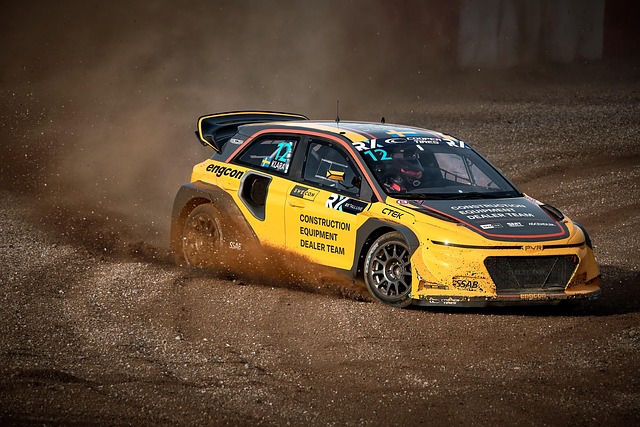
Transitioning from street racing to professional competitions is a significant step for any aspiring racer. While Select Street Racing provides an accessible entry point, it’s crucial to understand that professional racing involves far more than daring stunts and the thrill of speed. It necessitates a strategic approach, a deep understanding of legal implications, and leveraging available resources effectively.
One natural avenue to explore is joining dedicated social media groups and online forums focused on professional motorsports. These platforms offer invaluable insights into various racing series, team dynamics, and career paths. You can connect with experienced racers, gain mentorship, and stay abreast of emerging opportunities. For instance, many successful professionals attribute their breaks to strategic networking within these communities. However, it’s essential to remember that online interactions should be complemented by hands-on experience and tangible achievements.
The legal implications of professional racing cannot be overstated. Depending on your location and the nature of competition, obtaining licenses, permits, and insurance becomes critical. Each region has its own set of regulations governing motorsports events, particularly when involving public roads or organized competitions with spectators. Understanding these requirements early in your journey ensures a smooth transition to professional races. For example, in some regions, racers must complete safety courses, pass medical examinations, and adhere to stringent safety protocols before participating in licensed events.
To increase your chances of success, focus on building a portfolio of achievements. This could involve winning local street racing events, documenting daring stunts in a controlled environment for online content creation, or even contributing to community initiatives centered around motorsports. These efforts not only enhance your reputation but also attract the attention of sponsors and industry professionals. Remember, becoming a professional racer is about more than just speed; it’s about showcasing skill, sportsmanship, and a commitment to excellence that resonates with fans and stakeholders alike.
By evaluating your skills and passion, gaining hands-on experience through local street racing, mastering essential techniques and safety protocols, and strategically transitioning to professional opportunities, you can chart a clear path toward becoming a professional racer. Select Street Racing naturally serves as a crucial stepping stone, providing invaluable real-world insight into the sport’s nuances. The article’s key insights empower readers to develop both the technical proficiency and the unwavering dedication necessary to succeed in this competitive field, solidifying their authority on the subject matter.