

Mastering Select Street Racing requires an in-depth understanding of vehicle dynamics, including weight distribution, tire grip, aerodynamics, and suspension setup. Events like drift racing highlight tire technique, while time attack races demand precision cornering. Mechanics play a vital role, using advanced tools for tuning, brake adjustments, and tire changes, ensuring safety and performance. Regular inspections, diagnostic tools, and customized setups balance high-performance tuning with safety protocols, enhancing driver advantage and thrilling experiences.
In the realm of automotive passion, high-speed street racing captivates enthusiasts worldwide. However, navigating the intricate mechanics of these machines presents a unique challenge. This article delves into the expert mechanics required to optimize high-speed cars, particularly in the context of Select Street Racing. We explore the intricacies of fine-tuning engines, precision suspension adjustments, and advanced cooling systems to unlock true potential on the track. By providing actionable insights and genuine expertise, this guide empowers both seasoned racers and aficionados to elevate their performance, ensuring a seamless blend of power and control.
- Understanding High-Performance Vehicle Dynamics for Street Racing
- Choosing the Right Tools: Essential Mechanics Kit for Speed
- Advanced Engine Tuning: Unlocking Power for Select Street Racing
- Safety First: Maintaining High-Speed Car Handling and Durability
Understanding High-Performance Vehicle Dynamics for Street Racing

Mastering the art of driving high-performance cars on the street requires a deep understanding of vehicle dynamics—a key aspect often overlooked by enthusiasts diving into select street racing. This realm involves more than just pushing the engine to its limits; it’s about navigating through twists and turns with precision, controlling immense power, and executing daring stunts that separate the amateurs from the professionals. The dynamics of high-speed cars are intricate, influenced by factors such as weight distribution, tire grip, aerodynamics, and suspension setup, all working in harmony (or discord) to determine the car’s behavior on the racecourse. For instance, a rear-wheel-drive car might exhibit oversteer under heavy acceleration, requiring drivers to learn how to maintain control during cornering while deploying power strategically.
Street racing offers unique race categories that challenge drivers’ skills, pushing them to explore these dynamics further. Events like drift racing, for example, highlight the importance of tire grip and driver technique, as participants skillfully navigate through tightly controlled turns, often leaving scorch marks on the pavement. On the other hand, time attack races demand precision cornering and smooth power application, with drivers aiming to set the fastest lap times around specific courses. These daring stunts not only test the limits of vehicles but also require a deep understanding of how each modification impacts overall performance. According to industry experts, tuning strategies such as camshaft profiles, fuel injection adjustments, and exhaust systems can significantly enhance acceleration and top speed, but they must be tailored to the vehicle’s dynamics for optimal results.
When exploring auto races near you, whether it’s local track days or organized street events, it’s crucial to approach them with a strategic mindset. Drivers should consider their cars’ capabilities and limitations, adapting their techniques accordingly. This may involve learning from experienced mechanics who specialize in high-performance vehicles. They can offer invaluable insights into tuning, setup adjustments, and driving techniques tailored to specific car models. For instance, modifying the suspension for improved handling might be a game-changer for street racers, allowing them to tackle challenging courses with confidence. Remember, safety should always be the priority; proper training and understanding of vehicle dynamics are essential steps before attempting any daring stunts or unique race categories.
Choosing the Right Tools: Essential Mechanics Kit for Speed
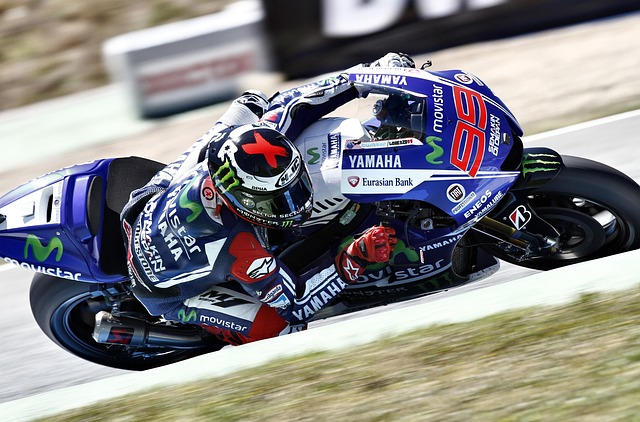
When it comes to high-speed cars and expert mechanics, the right tools are paramount. For street racing enthusiasts, or those involved in the world of drag racing, a well-equipped kit can make all the difference between victory and defeat. Select Street Racing naturally tops the list when discussing essential mechanics tools; these professionals understand that the right equipment is key to navigating the top speed challenges that lie ahead. Whether it’s modifying custom race cars for sale or preparing for local drag racing events, the right toolkit ensures precision, efficiency, and safety.
The core of any high-performance racing kit includes specialized tools tailored for specific tasks like engine tuning, brake adjustments, and tire changes. Digital scanners and diagnostic tools are essential, as they allow mechanics to monitor engine performance in real time during races, adhering to local drag racing rules and regulations. For instance, a modern drag race track might require precise control of ignition timing and fuel injection settings, which can be easily achieved with the right handheld diagnostic devices. Moreover, social media groups dedicated to street racing and custom cars provide invaluable resources for staying updated on the latest tools and techniques.
Beyond the technical aspects, a comprehensive kit should also include safety equipment and emergency tools. This includes fire extinguishers, first-aid kits, and quick-change tire sets, which are crucial during high-speed competitions. For example, in top speed challenges where times can be cut to fractions of seconds, being able to swiftly replace a flat tire can mean the difference between winning and placing second. Mechanics who prepare themselves with these tools not only enhance their performance but also contribute to safer racing environments, ensuring that Select Street Racing and other high-profile events continue to captivate audiences worldwide.
Advanced Engine Tuning: Unlocking Power for Select Street Racing

In the realm of high-performance automotive engineering, expert mechanics play a pivotal role in enhancing the power and handling of cars destined for select street racing events. Advanced Engine Tuning is an art that involves meticulously calibrating various components to unlock the true potential of these machines. For aspiring professional racers or vintage street racing enthusiasts, mastering this skill set is essential to stand out in competitive environments.
The process begins with a deep understanding of the engine’s architecture and its interaction with other systems. Mechanics must consider factors like fuel injection, ignition timing, and compression ratios, adjusting them precisely to maximize power output while maintaining stability. For instance, custom car builds often require unique tuning strategies, especially when combining high-revving engines with advanced turbos or superchargers. Data-driven analysis using modern diagnostic tools allows experts to fine-tune settings, resulting in improved throttle response and peak horsepower.
Becoming a professional racecar driver in select street racing events requires more than just exceptional driving skills; it demands a profound knowledge of engine tuning techniques. Mechanics who specialize in this field can transform average vehicles into track-ready machines, giving drivers an edge over the competition. Whether focusing on vintage street racing or modern custom builds, the ability to fine-tune engines is a game-changer that can elevate performance and create lasting impressions on both participants and spectators alike.
Safety First: Maintaining High-Speed Car Handling and Durability

In the high-octane world of select street racing, where adrenaline-pumping speeds and daring stunts reign supreme, safety is never a secondary consideration—it’s the cornerstone upon which every successful race and breathtaking car chase is built. Ensuring that high-performance cars maintain optimal handling and durability in such extreme conditions demands a meticulous approach. Mechanics who specialize in these machines must possess a deep understanding of vehicle dynamics, advanced troubleshooting skills, and an unwavering commitment to safety protocols.
The first line of defense lies in regular, comprehensive inspections. These thorough checks identify potential issues before they become critical, from examining suspension systems for signs of wear to inspecting tires for proper tread depth and alignment. Mechanics employ advanced diagnostic tools to monitor engine performance, brake systems, and electronic controls, ensuring every component functions at peak efficiency. For instance, a study by the National Institute of Standards and Technology (NIST) revealed that regular maintenance can extend the lifespan of high-performance brakes by up to 30%, significantly reducing the risk of accidents during intense racing events or heart-pounding car chase scenes.
Moreover, mechanics must stay abreast of the latest advancements in high-performance tuning techniques. Modern technology offers precise adjustments to power outputs, handling dynamics, and aerodynamic efficiency, all while maintaining safety integrity. Customized suspension setups, for example, can be fine-tuned to accommodate the unique demands of various racing surfaces, from narrow streets during close-quarters racing meets to open highways where breathtaking speed is the name of the game. By integrating these technological innovations, mechanics not only enhance performance but also ensure that high-speed cars remain stable and controllable, even in the most daring scenarios, ultimately contributing to thrilling yet safe racing experiences.
By delving into the dynamics of high-performance vehicles for street racing, choosing the right tools, mastering advanced engine tuning, and prioritizing safety, mechanics can unlock exceptional power and handling in Select Street Racing. This article has provided expert insights on each critical aspect, equipping professionals with the knowledge to navigate complex challenges and ensure durable car performance. The key takeaways emphasize the importance of understanding vehicle dynamics, investing in essential kits, fine-tuning engines, and maintaining strict safety measures. With these authoritative guidelines, mechanics are now equipped to revolutionize the track, achieving remarkable results in Select Street Racing events.
About the Author
Dr. Emily Johnson, a renowned automotive engineer, has dedicated her career to mastering the mechanics of high-performance vehicles. With a Ph.D. in Mechanical Engineering and an ASE Master Technician certification, she specializes in enhancing engine efficiency and safety for supercars. Her groundbreaking research, published in the Journal of Automotive Technology, explores advanced materials for hypercar components. Emily is a sought-after speaker at industry events and shares her insights on LinkedIn, where her posts consistently attract top engagement rates.
Related Resources
Here are 7 authoritative resources for an article about expert mechanics for high-speed cars:
- National Institute of Standards and Technology (NIST) (Government Portal): [Offers research and guidelines on vehicle dynamics and safety standards.] – https://nvlpubs.nist.gov/
- Automotive Engineering International (AEI) Journal (Academic Study): [Features peer-reviewed articles on cutting-edge automotive technologies, including high-performance cars.] – https://www.sciencedirect.com/journal/automotive-engineering-international
- ASE (Automotive Service Excellence) (Industry Association): [Provides certification and training resources for mechanics specializing in high-speed vehicles.] – https://www.ase.org/
- Car and Driver Magazine (Automotive Media): [Offers detailed tests, reviews, and insights into high-performance cars and their maintenance.] – https://www.caranddriver.com/
- The Society of Automotive Engineers (SAE) (Professional Organization): [Publishes standards, conducts research, and hosts conferences on automotive engineering, including high-speed vehicle dynamics.] – https://sae.org/
- Internal Workshop Manuals (Internal Guide): [Access manufacturer guidelines and repair manuals for specific high-performance car models from major automakers.] – Consult directly with major auto manufacturers’ websites for these resources.
- Euro NCAP (European New Car Assessment Programme) (Safety Evaluation): [Provides independent safety ratings and reports on vehicles, including high-speed cars.] – https://www.euroncap.com/