

Specialized automotive engineering expertise is crucial for tuning high-performance vehicles, especially for street racing. Key aspects include weight distribution, tire selection, and aerodynamic design, optimized by mechanics through systems like engine management and suspension adjustments. Select Street Racing naturally offers guidance on component upgrades (lightweight wheels, advanced brakes) for enhanced control and safety in racing events, ensuring legal modifications. Mechanics play a vital role in balancing technical knowledge with competition rules, prioritizing safety while pushing performance boundaries. Advanced engineering techniques, continuous learning, and data-driven approaches maximize engine efficiency and safety in high-speed vehicles.
The art of tuning high-performance cars is a meticulous dance between engineering precision and driver’s thrill-seeking. As Select Street Racing attests, mastering the mechanics behind these machines is paramount for optimising speed and safety. This article delves into the intricate world of expert mechanics tailored for high-speed cars, exploring the nuances that separate mere modification from true artistry. We’ll dissect the challenges inherent in enhancing power, improving handling, and ensuring durability—all vital aspects to consider when pushing these vehicles to their limits on the track or road.
- Understanding High-Performance Vehicles: Basics & Requirements
- Choosing the Right Tools for Street Racing: Essential Equipment
- Engine Optimization: Tuning for Speed and Efficiency
- Suspension Setup: Balancing Handling and Top Speed
- Braking Techniques: Advanced Stopping Power for Select Street Racing
- Safety Measures: Driving at High Speeds Responsibly
Understanding High-Performance Vehicles: Basics & Requirements

High-performance vehicles demand a unique understanding of automotive engineering and dynamics, especially when considering street racing or participation in drifting competitions worldwide. These cars, often modified for speed and agility, require expert mechanics who possess specialized knowledge to unlock their full potential. The art of car tuning involves intricate adjustments to various systems, from engine management to suspension setup, aiming to enhance performance while ensuring safety and drivability.
Understanding the fundamentals is crucial; these include recognizing the impact of weight distribution, tire selection, and aerodynamic design on handling. Mechanics should be adept at analyzing a vehicle’s dynamics, such as the forces acting upon it during cornering or straight-line acceleration. For instance, in car tuning competitions, adjustments to camshaft profiles, spark timing, and fuel delivery can significantly increase horsepower and torque, but these changes must be carefully calibrated for optimal performance and engine longevity.
When it comes to street racing, selecting the right components and employing advanced handling techniques are key. Mechanics should guide clients in making informed decisions about upgrades, such as lightweight wheels, high-performance brakes, and adjustable suspension systems. For example, a skilled mechanic might recommend specific setup adjustments for drifting, like looser differentials and tailored tire pressure, to enable better control during sliding maneuvers. By combining these technical insights with a deep knowledge of car tuning competitions’ rules and regulations, mechanics can ensure legal and effective modifications, ultimately enhancing the driving experience in a controlled environment.
Choosing the Right Tools for Street Racing: Essential Equipment
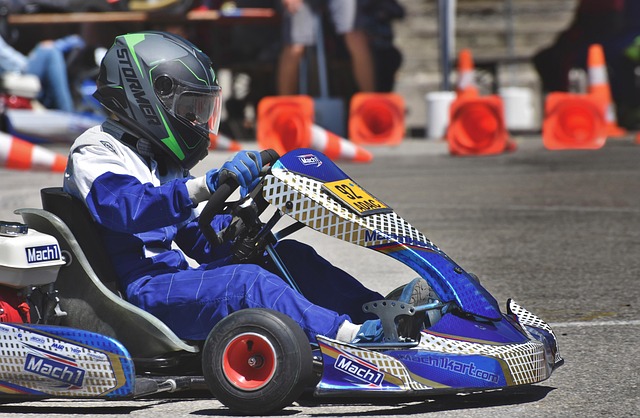
When it comes to street racing—a thrilling pursuit that blends passion for speed with daring stunts—choosing the right tools is paramount. Select Street Racing, a discipline that demands precision and expertise, requires mechanics who understand the unique challenges of high-performance vehicles. The goal isn’t merely to participate in speed hunting expeditions but to excel in national events that can occur 1-3 times annually, depending on location. These events are not just about reaching top speeds; they’re about controlling and maneuvering cars at extreme velocities with unwavering stability.
Mechanics play a pivotal role in equipping racers with the tools needed for success. The right setup can transform a car from a mere machine into a symphony of speed, capable of delivering breathtaking performances. This involves selecting components that enhance acceleration, braking, and handling—all crucial factors in street racing tips and tricks. For instance, lightweight wheels and tires can reduce rolling resistance, enabling quicker acceleration, while high-performance brakes designed for heat dissipation ensure optimal stopping power during daring stunts. Additionally, advanced suspension systems tailored for cornering precision allow racers to navigate tight turns with confidence at remarkable speeds.
Choosing the right tools isn’t just about performance; it’s about safety too. Street racing, despite its allure, is not without risks. Mechanics must balance the need for speed with the potential for high-impact collisions, ensuring that each component chosen meets or exceeds industry standards. Regular maintenance and inspection become paramount to mitigate these risks, especially in vehicles designed for extreme conditions. By prioritizing quality tools and regular upkeep, mechanics contribute to a safer racing experience, enabling drivers to focus on what they do best: pushing the limits of speed with control and skill.
Engine Optimization: Tuning for Speed and Efficiency

Engine optimization is a critical component of achieving both speed and efficiency in high-performance cars, particularly when it comes to street racing. For enthusiasts looking to push their vehicles to the limit, understanding how to fine-tune an engine is essential. Select Street Racing, a leading authority in auto racing, offers valuable insights into this art. Through extensive training for auto races and documentations of record-breaking vehicles, their team has uncovered the secrets to unlocking maximum potential.
The process begins with a comprehensive analysis of the vehicle’s current specifications. Mechanics must consider factors like cylinder configuration, combustion chamber design, and the overall efficiency of fuel injection. By meticulously adjusting these components, they can optimize power delivery while minimizing fuel consumption. For instance, modifying timing profiles and lift curves allows for more precise control over ignition and fuel metering, resulting in smoother power transitions and reduced turbo lag—a significant advantage in street racing.
Furthermore, advanced diagnostic tools play a pivotal role in this tuning process. Mechanics employ computer-aided design (CAD) software and engine analysis systems to identify areas of improvement and monitor performance gains. This data-driven approach ensures that each adjustment is calculated and measured, allowing for iterative improvements. Engaging with online communities and social media groups dedicated to street racing can also provide valuable insights, as enthusiasts often share their experiences and hard-won lessons, fostering a collaborative environment where knowledge thrives. Ultimately, achieving peak engine performance requires a blend of technical expertise, continuous learning, and a passion for pushing boundaries—all hallmarks of successful mechanics in the high-speed car world.
Suspension Setup: Balancing Handling and Top Speed

The suspension setup is a critical aspect of optimizing high-speed cars for both performance and safety, especially when considering venues like local drag racing tracks or private driving events. Balancing handling and top speed requires meticulous adjustments to springs, dampers, and anti-roll bars, among other components. For instance, stiffer springs can increase cornering ability but may compromise ride quality and stability at high speeds, while softer settings might offer a smoother ride but reduce control during aggressive maneuvers. Expert mechanics employ advanced techniques, such as dynamic suspension tuning, which adapts to driving conditions in real time, ensuring optimal performance across various scenarios.
Select Street Racing naturally considers these intricacies, offering tailored solutions for drivers engaging in both local events and national competitions. The goal is to create a balance where the car excels on straightaways, accelerating to impressive speeds, while maintaining agile handling through turns. This involves fine-tuning suspension geometry, like camber and toe angles, to ensure optimal tire contact and minimize wear. For example, a slight negative camber can improve high-speed stability, but excessive settings may lead to steering issues at lower speeds, necessitating careful calibration.
Road safety regulations play a significant role in these adjustments, dictating the maximum allowable limits for components like springs and dampers. Mechanics must stay updated on these standards, ensuring that each car complies without sacrificing performance. By understanding the interplay between suspension setup and driving dynamics, experts can help drivers achieve their full potential on the track or during private events while prioritizing safety. This involves regular testing, data analysis, and iterative adjustments to keep up with evolving technologies and racing strategies.
Braking Techniques: Advanced Stopping Power for Select Street Racing
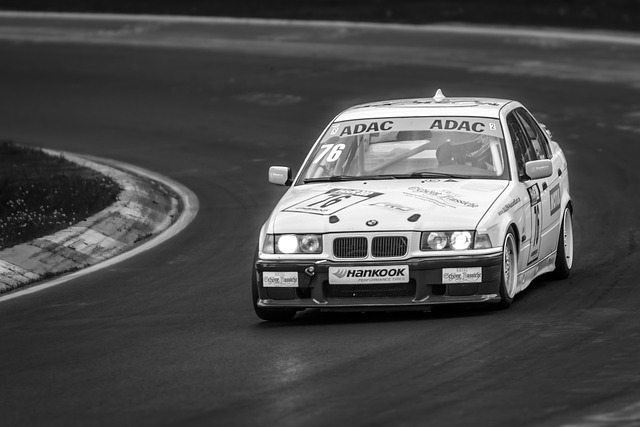
In the realm of high-speed cars, particularly within the niche of select street racing, mastering braking techniques is an art crucial for achieving optimal performance and safety. Expert mechanics understand that the ability to stop quickly and efficiently can be the difference between victory and an accident in these thrilling events. This section delves into advanced stopping power strategies tailored for street racers, exploring custom car builds, sophisticated systems, and fine-tuning techniques.
Braking in high-performance cars differs significantly from everyday vehicles. Mechanics specializing in select street racing customize brakes to handle the immense force generated during hard cornering and rapid acceleration. High-speed stops demand powerful yet precise control, which can be achieved through several methods. One approach involves upgrading to larger brake rotors and calipers, a common modification in custom car builds. Larger rotors dissipate heat more efficiently, preventing thermal distortion that could reduce braking effectiveness. Caliper upgrades, often from high-performance brands, offer better clamping force and modulation, ensuring consistent stopping power under extreme conditions.
Vintage racers, known for their timeless allure, also benefit from advanced braking techniques. Mechanics can enhance their stopping capabilities by employing specialized brake fluids and precision-engineered master cylinders. These components ensure optimal pressure distribution throughout the system, allowing drivers to maintain control during sudden stops. Moreover, at high-performance car meetups, experts share insights on fine-tuning brake bias—adjusting the distribution of force between the front and rear brakes—for improved cornering and stability. This adjustments, often subtle but significant, can transform a car’s handling dynamics in select street racing scenarios.
Ultimately, achieving peak braking performance involves a holistic approach. Custom car builds should prioritize lightweight components to reduce stopping distances while ensuring structural integrity. Regular maintenance and inspection are vital to detect any wear or damage early on. Mechanics play a pivotal role in fine-tuning these systems, allowing racers to confidently push their machines to the limits with enhanced control and safety—essential considerations in the dynamic world of select street racing.
Safety Measures: Driving at High Speeds Responsibly

Driving at high speeds demands an unparalleled level of skill, preparation, and responsibility from mechanics and drivers alike. When it comes to high-speed cars, expert mechanics play a crucial role in ensuring both performance and safety. They understand that pushing a vehicle to its limits requires meticulous attention to detail, from precise adjustments to critical systems like brakes and suspension, to implementing cutting-edge safety features designed specifically for extreme conditions.
Selecting the right components for high-performance vehicles is paramount. Mechanics must consider not just raw power but also handling dynamics, aerodynamic efficiency, and advanced safety systems such as advanced collision avoidance systems and traction control. Sharing race experiences and studying extreme street racing videos can offer valuable insights into the intricacies of driving at breathtaking speeds safely. For instance, professional drivers often utilize “launch control” to achieve rapid acceleration, a feature that requires careful calibration for optimal performance without compromising stability.
Performance tuning services are integral to optimizing high-speed vehicles, allowing mechanics to fine-tune engine specifications, suspension setups, and tire choices based on the driver’s preferences and track conditions. However, it’s essential to remember that these modifications should always prioritize safety. Daring stunts, while thrilling to witness, highlight the potential risks associated with pushing machines beyond their limits without proper precautions. Ultimately, responsible high-speed driving is a balance between achieving breathtaking performance and upholding unwavering safety measures.
By delving into the intricacies of high-performance vehicles, choosing the right tools for Select Street Racing, optimizing engines, fine-tuning suspensions, mastering braking techniques, and prioritizing safety, this article has equipped readers with an authoritative guide to excel in the realm of high-speed driving. The key insights synthesized here underscore the importance of comprehensive preparation, precise tuning, and responsible practices for achieving both speed and control on the track. Armed with these expert mechanics, readers are now poised to navigate the challenges of Select Street Racing with enhanced confidence and performance.