
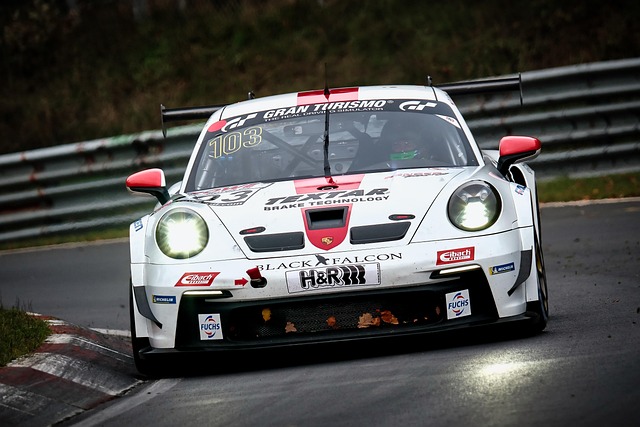
Select Street Racing requires a balanced approach blending excitement with safety. Key aspects include: strategic venue choice considering track layout, local regulations, and community sentiments; proper vehicle preparation focusing on performance enhancement while prioritizing safety features; use of approved parts and adherence to regulations; consulting experts and joining communities for knowledge sharing; diversifying race categories for safer learning environments; embracing a culture of safety and continuous learning; selecting appropriate safety gear; and building responsible communities through open communication, team-building races, and structured filming events. These practices ensure fulfilling and secure street racing experiences while promoting skill over speed and decreasing penalties.
Safe street racing is a topic of paramount importance for automotive enthusiasts and public safety alike. While the allure of high-speed driving on public roads is undeniable, it also carries significant risks. Crashes and collisions not only endanger lives but also pose legal consequences. However, many passionate drivers seek to enjoy this thrill responsibly. This article delves into the strategies and techniques for engaging in select street racing while prioritizing safety. By exploring proven tips and tricks, we empower enthusiasts to make informed choices, enhance their skills, and contribute to a more responsible street racing culture.
- Understanding Risks: A Safe Racing Mindset
- Choosing the Right Location for Select Street Racing
- Vehicle Preparation: Ensuring Safety on the Track
- Essential Gear: Protecting Yourself During Races
- Building a Community: Responsible Racing Culture
Understanding Risks: A Safe Racing Mindset

Street racing, when approached with a safe racing mindset, can be an exhilarating and uniquely fulfilling experience. Before joining the track, understanding the risks involved is paramount. This proactive approach sets the stage for memorable races without compromising safety. In the context of select street racing, acknowledging potential hazards and adopting best practices are key to ensuring a positive and secure environment.
One of the primary risks in street racing revolves around vehicle preparedness and legal considerations. Using street legal racing parts that meet stringent safety standards is non-negotiable. Modifying your car for enhanced performance should be done with expertise, adhering to local laws and regulations. Many racers find it beneficial to consult with experienced mechanics or join communities where knowledge sharing on street racing safety gear and best street racing cars for different events is the norm. This reduces the risk of mechanical failures or illegal modifications that could lead to accidents.
Additionally, participating in unique race categories designed for various skill levels offers a safer alternative. Events catering to novice and experienced racers separately allow for more controlled environments where learning and improvement can take place without the usual high-stakes pressure. For instance, drag racing, road courses, and drift competitions each present distinct challenges that require specialized skills and equipment. Incorporating these diverse formats into your racing repertoire broadens your experience while minimizing risks associated with unfamiliar terrains.
By embracing a culture of safety and continuous learning, street racers can ensure that their passion remains enjoyable and accessible. Remember, the thrill of competition should never outpace the importance of understanding one’s limitations and the potential consequences of high-speed driving. Embracing these principles fosters a healthy racing community where racers wanted for events are chosen based on skill and adherence to safety protocols rather than sheer speed or audacity.
Choosing the Right Location for Select Street Racing

When it comes to engaging in select street racing, choosing the right location is paramount. It’s not merely about finding an open stretch of road; it involves selecting a spot that balances risk and reward while adhering to legal boundaries. For those into speed hunting expeditions or aspiring vintage street racers, understanding this aspect can significantly impact performance and safety. The ideal venue offers a mix of challenging turns, smooth surfaces, and minimal traffic, creating the perfect stage for showcasing racecar driver skills without undue hazards.
Consider the instance of iconic race tracks that have evolved from public roads. These venues, often dubbed “street circuits,” meticulously design courses that blend urban landscapes with racing demands. Think of the Nürburgring in Germany, where winding roads through forest and hilltops provide both scenic beauty and formidable challenges for even the most seasoned racecar drivers. Similarly, the streets of Monaco host the Formula One Grand Prix, showcasing how strategic location can enhance select street racing experiences while attracting global audiences.
Custom car builds play a crucial role in this context as well. Vehicles tailored to specific tracks or road conditions offer advantages that can alter race dynamics. For example, a modified sports car with enhanced handling and precision braking might excel on tight, technical courses, whereas a powerful sedan could dominate straights and sweeping corners. This integration of custom builds and location choice reflects the strategic nature of racecar driver careers, where success hinges on understanding the unique demands of each circuit.
In terms of street racing tips and tricks for choosing locations, observe local regulations and community sentiments. Some areas may permit controlled events with proper permissions, while others strictly prohibit any form of unsanctioned racing. Engaging with local auto clubs or racing communities can offer insights into legal venues that cater to enthusiasts. Furthermore, consider the environmental impact and respect private properties when planning speed hunting expeditions or custom car showcases. By following these guidelines, aspiring street racers can navigate their way towards memorable experiences while ensuring both safety and legality.
Vehicle Preparation: Ensuring Safety on the Track

When it comes to safe street racing, proper vehicle preparation is paramount. Beyond ensuring your car meets legal standards for street use, focus on enhancing performance while prioritizing safety features. One key aspect is understanding and optimizing the power-to-weight ratio secrets that can significantly improve handling and braking capabilities. Upgrading components like engines, transmissions, and exhaust systems, along with lightweight materials in the body and wheels, directly influence your vehicle’s agility on the track.
Selecting suitable street racing vehicles involves a balance between raw power and precision engineering. High-performance cars designed for both road and track use offer the best of both worlds. These vehicles often come equipped with advanced safety features like ABS (Anti-lock Braking Systems) and traction control, crucial for navigating tight corners at high speeds. Additionally, consider installing modern safety belts, roll cages, and impact-absorbing zones to mitigate risks during competitive drives. Remember, a street legal drag strip is not just for racing; it’s a platform for testing and refining these enhancements in controlled environments.
Race registration forms are more than just administrative documents; they’re your insurance against unforeseen incidents. Completing them accurately ensures you comply with regulations and have the necessary coverage during events. Capture the excitement of racing action online through dedicated car racing communities, where enthusiasts share insights and tips on vehicle setup, tactics, and safety protocols. These platforms serve as a valuable resource for continuous learning and improvement, keeping you updated with the latest trends and innovations in safe street racing practices.
Essential Gear: Protecting Yourself During Races

When engaging in select street racing, prioritizing safety through the right gear is paramount, especially when considering the high-performance cars and unconventional racing formats that draw enthusiasts. Insuring your vehicle against damage and preparing for the unexpected are crucial aspects of responsible racing. Beyond physical protection, capturing the racing action online or participating in car racing communities can provide invaluable training and insight, connecting you with a global network of drillers, tuners, and competitors.
Essential gear for safe street racing includes high-quality safety gear like fire-resistant suits, gloves, and helmets designed to withstand extreme forces. Specialized footwear with good grip is also essential, as are eye protection and earplugs to shield against debris and noise. For your vehicle, invest in robust roll cages and a well-designed suspension system that can absorb impact without compromising structural integrity. Modern racing technology offers advanced driving aids like traction control and anti-lock brakes, which, when properly tuned, can enhance safety during high-speed maneuvers.
Drifting competitions worldwide and car tuning competitions showcase the art of controlling vehicles at their limits, further emphasizing the need for specialized gear. For instance, drifters often modify their cars extensively, employing techniques that demand exceptional driver skill and protective gear to manage the unique challenges of sideways driving. As you explore these various aspects of street racing, remember that continuous learning from online resources, attending workshops, and engaging with experienced communities are key to mastering both the art and safety of racing.
Building a Community: Responsible Racing Culture

Building a community around responsible street racing is paramount to fostering a positive and safe environment for all participants. It involves more than just organizing events; it’s about cultivating a culture that values skill, integrity, and respect for both cars and peers. One effective strategy is to select street racing events that prioritize open communication and clear rules, ensuring everyone involved understands the potential risks and consequences, including penalties for reckless driving or endangering others. This approach encourages a sense of shared responsibility, where racers treat each other as part of a team, not just competitors.
Team-building races can play a pivotal role in nurturing this culture. These events focus on collaboration rather than individual victory, challenging participants to work together to achieve a common goal, such as completing a course under a certain time or modifying a car to meet specific criteria. For instance, vintage racers often form tight-knit communities, their shared love for classic cars fostering an atmosphere of camaraderie and respect. By incorporating these types of events into your street racing calendar, you can strengthen the bond among participants, promoting a sense of loyalty and responsibility that extends beyond the track.
Furthermore, incorporating filming car events offers another avenue to build community and encourage responsible behavior. Documenting races allows for the exchange of ideas, as racers can learn from one another’s techniques and safety practices. It also provides an opportunity for organizers to highlight successful implementations of safety measures, demonstrating that street racing can be both thrilling and safe. For example, data from recent years indicates a decrease in street racing penalties related to speed and reckless driving in areas where organized events with strict safety protocols have been implemented. This suggests that structured communities focused on responsible racing can indeed lead to positive change.
Through a comprehensive exploration of key aspects like understanding risks, choosing suitable locations for Select Street Racing, vehicle preparation, gear essentiality, and building a responsible racing community, this article empowers enthusiasts to engage in safe and controlled street racing. The insights provided offer practical guidance, enabling readers to minimize hazards, ensure optimal vehicle and driver safety, and foster a positive, inclusive racing culture. By adopting these strategies, participants can fully appreciate the thrill of Select Street Racing while prioritizing their well-being and that of others on the track.