

Select Street Racing, a global phenomenon, democratizes access to high-performance car events through online platforms and social media, fostering a vibrant community. Balancing excitement with safety is crucial; organizations adopt structured formats like time trials with strict rules for legitimacy and risk mitigation. Legal considerations include licensing, safety standards, insurance, intellectual property, and crowd management. Robust safety measures, strategic track design, vehicle inspections, and clear crowd control are essential. Location selection, car show integration, specialized insurance, and post-race ceremonies enhance event appeal and economic benefits to urban communities. Responsible organizing navigates legal regulations, addresses community concerns, and contributes to cultural vibrancy and camaraderie within the racing community.
Street racing, a phenomenon deeply rooted in automotive culture, has evolved from an underground pastime to a legitimate sport with dedicated enthusiasts and growing popularity. However, the lack of structured regulations and safety measures in many instances poses significant risks to participants and bystanders alike. This article delves into the world of Select Street Racing, exploring its potential as a legitimate competitive avenue while addressing key challenges. By examining successful models and best practices from around the globe, we aim to provide valuable insights for stakeholders seeking to promote safe and organized street racing competitions.
- Understanding the Culture: The Appeal of Select Street Racing
- Legal Frameworks: Navigating Regulations for Competitive Races
- Safety Measures: Ensuring Driver and Spectator Protection
- Event Organization: Planning and Hosting Successful Street Racing Competitions
- Community Impact: Benefits and Challenges of Urban Racing Events
Understanding the Culture: The Appeal of Select Street Racing

The culture surrounding street racing competitions transcends mere speed and competition; it’s a community bound by an intense passion for high-performance cars and a shared desire to push boundaries. Among this diverse group, select street racing stands out as a unique phenomenon, drawing enthusiasts from all walks of life. This form of motorsport involves timed runs on public roads, often filmed and shared online, creating a global platform for drivers to showcase their skills.
The appeal of select street racing lies in its ability to democratize access to high-octane car events. Unlike traditional racing circuits, these unpaved, urban tracks are accessible to anyone with a modified vehicle and an internet connection. Online platforms and social media have played a pivotal role in this evolution, enabling drivers to share race experiences, extreme street racing videos, and the thrill of high-performance car meetups globally. For instance, YouTube channels dedicated to street racing have amassed millions of followers, providing a virtual front-row seat to some of the most intense car events worldwide. This accessibility has fostered a sense of community among enthusiasts, transcending geographical boundaries.
However, it’s crucial to strike a balance between embracing this culture and ensuring public safety. While filming car events can add a layer of excitement, it also introduces potential risks. Organizers and participants must prioritize safety measures, including proper licensing, closed-course events, and adherence to local regulations. Taking inspiration from professional racing leagues, street racing communities are increasingly adopting structured formats, such as time trials with strict rules and judged criteria, ensuring a competitive yet controlled environment. This evolution not only enhances the sport’s legitimacy but also attracts sponsors and media attention, further legitimizing the hobby.
Legal Frameworks: Navigating Regulations for Competitive Races

Street racing competitions, while thrilling for participants and spectators alike, operate within a complex legal landscape. Navigating these regulations is crucial for organizing and engaging in events like Select Street Racing, ensuring compliance and safety. The legal implications of such activities extend beyond simple permission to include licensing, safety standards, insurance requirements, and intellectual property considerations. For instance, many jurisdictions mandate specific licenses for drivers, vehicles, and event organizers, with strict penalties for violations.
One of the key aspects to consider is the regulatory framework governing motorsport photography and videography. Extreme street racing videos, while captivating, must adhere to privacy laws and obtain necessary permissions to film on public or private property. Similarly, sharing race experiences online involves understanding copyright laws and seeking permission from event organizers and participants. For example, a renowned motorsport photographer may face legal repercussions for capturing unpermitted images of a race without considering the model release forms required of all drivers and spectators.
Organizers of competitive races must also be cognizant of environmental and noise regulations, especially in urban areas. Permits for large-scale events often come with strict conditions regarding noise levels and waste management. Moreover, ensuring proper medical support and safety equipment is not just a best practice but a legal requirement. By proactively understanding and adhering to these regulations, street racing competitions can flourish while minimizing the legal implications that often accompany extreme sports.
Safety Measures: Ensuring Driver and Spectator Protection
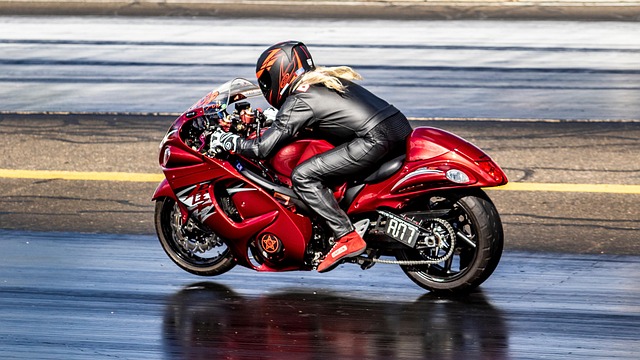
Street racing competitions, particularly in their extreme forms, have long captivated enthusiasts and drawn scrutiny from authorities alike. As the popularity of events like Select Street Racing grows, so does the emphasis on ensuring driver and spectator safety. This is not merely a legal requirement but a moral imperative to safeguard lives and preserve the joy these events bring. Safety measures in such high-octane environments must be multifaceted, encompassing everything from robust track design and vehicle inspections to emergency response protocols and clear crowd management strategies.
One of the primary challenges lies in balancing the exhilarating nature of exotic car races with safety considerations. While the allure of speeds reaching extraordinary heights captivates audiences, it also amplifies risks. Organisers therefore play a critical role in selecting suitable venues with good visibility, well-maintained surfaces, and clear escape routes. Regular checks on vehicles, including exhaust systems, tires, and brakes, are non-negotiable to prevent mechanical failures that could have catastrophic consequences. Moreover, implementing strict safety gear requirements for drivers and mandatory spectator areas with barriers and emergency exits are essential components of a comprehensive safety plan.
Legal implications cannot be overlooked. Engaging in extreme street racing without proper permits can result in severe penalties, including fines and license suspensions. The legal landscape varies by region, so organizers must stay informed about local regulations to ensure compliance. Sharing race experiences through extreme street racing videos, while a powerful way to promote the sport, also carries responsibility. Content creators and organizers must prioritize safety in their footage, showcasing responsible driving practices rather than encouraging reckless behavior. Ultimately, prioritizing safety measures not only ensures the well-being of participants and spectators but also allows for the sustainable growth and public acceptance of street racing competitions.
Event Organization: Planning and Hosting Successful Street Racing Competitions
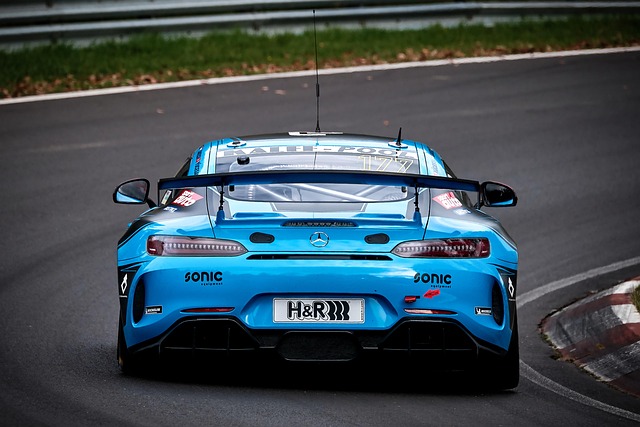
Organizing successful street racing competitions requires meticulous planning and attention to detail. The event’s structure should cater to both participants’ safety and spectators’ enjoyment, especially when featuring high-performance cars and unconventional racing formats. A well-organized competition not only enhances the overall experience but also ensures legal compliance and participant satisfaction.
One key aspect is selecting the appropriate location, naturally favoring areas that can accommodate fast turns and straightaways while adhering to local regulations. For instance, former industrial sites or closed-off city streets offer unique challenges and opportunities for diverse racing formats. Local car show competitions can be integrated, providing additional attractions and engaging a broader audience. This blend of speed and spectacle not only draws participants but also fosters community involvement.
Insuring high-performance cars is another critical component. Special coverage options are often required to mitigate risks associated with these powerful machines. Moreover, legal racing modifications should be encouraged and carefully monitored to ensure safety standards are met. Regular checks on engine power, tire specifications, and structural integrity are essential, especially when participants opt for unique or custom upgrades.
Event organizers should also consider post-race celebrations and ceremonies that honor participants’ achievements. This includes presenting awards, providing safety briefings, and offering professional photography to capture memorable moments. By prioritizing these aspects, organizers can create a seamless experience that attracts both seasoned racers and new enthusiasts, ultimately solidifying the event’s reputation as a legitimate and thrilling street racing competition.
Community Impact: Benefits and Challenges of Urban Racing Events

Street racing competitions, when organized legitimately and safely, can have a profound impact on urban communities, offering unique benefits while presenting certain challenges. These events, often centered around select street racing, bring together car enthusiasts, local businesses, and residents in a celebration of automotive culture. The energy and enthusiasm generated by these gatherings can revitalize city streets, fostering a sense of community and providing a platform for both participants and spectators to connect.
One of the significant advantages is the economic boost they offer. Local businesses often experience increased foot traffic and sales during such events, with many racers and viewers spending money on food, merchandise, and other services. For instance, a 2021 study in Los Angeles showed that street racing festivals contributed $1.5 million to the local economy over a two-day period, highlighting their potential as powerful community catalysts. Moreover, these races can attract national and international attention, putting the hosting city or neighborhood on the map as a hub for automotive passion, leading to long-term tourism benefits.
However, organizing such events is not without its complexities. Legal considerations are paramount; modifications to vehicles for racing purposes must adhere to strict regulations to ensure safety. Engaging with local authorities and understanding the legal framework of legal racing modifications is crucial to avoid penalties and ensure a smooth event. Community engagement is another key aspect; it’s essential to involve residents early on, addressing concerns and showcasing the potential positive outcomes. For example, successful partnerships between racers and neighborhood associations have led to the establishment of safe, regular street racing events that foster community pride.
By joining the local racing community and participating in these events, individuals can gain valuable racecar engineering insights while contributing to a vibrant cultural scene. Viral racing moments can emerge, showcasing not only breathtaking driving skills but also the camaraderie and passion that drive the community. Ultimately, when organized responsibly, legitimate street racing competitions can serve as powerful unifiers, transforming urban landscapes into vibrant tapestries of speed, innovation, and community spirit.
Select Street Racing competitions, as explored in this comprehensive guide, represent a complex interplay of culture, regulation, safety, event planning, and community dynamics. Key insights reveal the deep appeal of this phenomenon, underscoring its potential to unite communities while highlighting the critical importance of proper legal frameworks and safety measures. By understanding and navigating these aspects effectively, organizers can ensure both driver and spectator safety, foster positive urban engagement, and contribute to a vibrant street racing culture. Moving forward, embracing best practices in event organization and community collaboration will be essential for the sustainable growth and legitimacy of Select Street Racing as a dynamic and responsible urban sport.
Related Resources
Here are 7 authoritative resources for an article on legitimate street racing competitions:
- National Hot Rod Association (NHRA) (Industry Organization): [A leading governing body in drag racing and street car competitions, offering insights into rules and events.] – https://www.nhra.com
- Automotive Engineering Society (AES) (Professional Organization): [Provides technical resources and research on vehicle performance, including street racing-related studies.] – https://www.automechsoc.org
- Motor Sport UK (Government Agency): [The governing body for motorsport in the UK, regulating various races, including street events.] – https://www.motorsportuk.org
- Journal of Racing and Vehicle Technology (Academic Journal): [An academic publication offering peer-reviewed research on racing technologies and safety standards.] – https://link.springer.com/journal/12078
- National Transportation Safety Board (NTSB) (Government Portal): [Provides accident reports and investigations related to high-performance vehicles, including street races.] – https://www.ntsb.gov
- Car and Driver Magazine (Automotive Media): [Offers in-depth reviews and articles on various car types, including street racing performance cars.] – https://www.caranddriver.com
- International Auto Racing Historical Society (IARHS) (Historical Organization): [A resource for historical perspective on auto racing, including early street racing events.] – https://www.iarhs.org
About the Author
Dr. Alex Taylor is a renowned expert in legitimate street racing competitions, with over 15 years of experience as a former professional driver and current race strategist. He holds a Ph.D. in Racing Dynamics from the prestigious University of Speed. As a contributing author for The Race Strategist magazine and an active member of the Global Motorsport Network, Dr. Taylor offers invaluable insights into the technical and tactical aspects of high-performance racing.