

Select Street Racing naturally by choosing legal, safe venues like dedicated facilities or iconic tracks worldwide. Join local automotive communities for insights but verify suggestions against local regulations. Inspect tracks thoroughly before racing, and ensure vehicle modifications comply with drag racing regulations. Local races may be impromptu, requiring flexibility and awareness; expert guidance is valuable for highly modified vehicles. A strategic approach blends engineering and performance focus, with tire selection crucial based on track conditions. Navigate local regulations strictly to ensure legality, safety, and avoid severe penalties.
Local tracks for street racing have become a contentious issue, with enthusiasts seeking high-performance driving experiences while communities face safety concerns. Select Street Racing, however, offers a viable solution by promoting responsible and legal track usage. This article delves into the intricacies of creating and managing dedicated street racing venues, emphasizing community engagement and safety protocols. By examining successful models worldwide, we aim to provide valuable insights for both enthusiasts and authorities, fostering a harmonious relationship that allows for safe and controlled high-performance driving experiences.
- Identifying Legal Local Tracks for Street Racing
- Understanding Select Street Racing Safety Protocols
- Preparing Your Vehicle for Competitive Street Racing
- Navigating Local Regulations: Legality and Permits
Identifying Legal Local Tracks for Street Racing

Engaging in street racing, a thrilling yet illegal pursuit for many car enthusiasts, demands a keen eye to identify safe and legal tracks where daring stunts can be executed responsibly. In the world of street racing, selecting an appropriate venue is paramount to ensuring both safety and adherence to local laws. While some might advocate for secluded backroads, experts emphasize that dedicated racing facilities offer a more controlled environment for these high-octane activities.
Many regions boast local tracks specifically designed for auto enthusiasts seeking a rush beyond the ordinary traffic jams. These tracks provide an ideal setting for vintage street racing, allowing racecar drivers to showcase their skills without fear of legal repercussions. For instance, in the United States, iconic circuits like Road America and Virginia International Raceway attract both professional and amateur racers, offering diverse layouts that cater to various driving styles. Similarly, across the globe, Germany’s Nürburgring is renowned as a driver’s paradise, featuring an extensive network of winding roads that challenge even the most experienced racecar drivers.
When exploring options for legal street racing, joining local automotive communities through social media groups can prove invaluable. These online forums often serve as hubs for like-minded individuals who share insights on upcoming events and hidden gems—secret tracks or less-trafficked areas suitable for racing. However, it’s crucial to approach these suggestions with caution, ensuring they align with local regulations. Engaging in street racing on public roads remains illegal and dangerous, even if encouraged by online peers. Ultimately, the pursuit of thrilling experiences should never compromise safety or legal boundaries.
Understanding Select Street Racing Safety Protocols

Street racing, particularly at local tracks, demands a deep understanding of safety protocols to ensure the well-being of participants and spectators alike. Select Street Racing events often deviate from traditional drag racing rules and regulations, requiring drivers to be adept in navigating unique challenges. One of the primary concerns is the condition of the track and vehicles. Unlike national events with stringent safety standards, local tracks may have varying levels of upkeep, necessitating a thorough inspection before participating. Drivers should look for signs of uneven surfaces, loose debris, or structural damage that could compromise control and stability during high-speed maneuvers.
Another critical aspect is the diversity of modded vehicles for sale in the market today. Custom race cars designed for speed can significantly enhance performance but also introduce risks if not properly maintained. It’s crucial to stay updated on the latest drag racing rules and regulations regarding modifications, as they evolve with technological advancements. For instance, changes in tire pressure, engine tune-ups, and aerodynamic adjustments must adhere to specific guidelines to ensure fair competition and safety. Regularly checking with local racing organizations or experienced mechanics can provide valuable insights into maintaining legal and safe vehicles.
The local street racing scene also differs from national events in terms of scheduling and organization. Participants should be prepared for impromptu races that may occur at any time, especially in areas where such activities are more informal. Keeping a flexible schedule and being aware of the local environment can help drivers anticipate opportunities while ensuring their safety. Moreover, understanding the dynamics of modded vehicles within the context of these events is essential. Vehicles with substantial modifications for speed often require specialized maintenance and handling techniques, requiring drivers to be well-versed in these aspects or seek guidance from experienced peers.
Preparing Your Vehicle for Competitive Street Racing
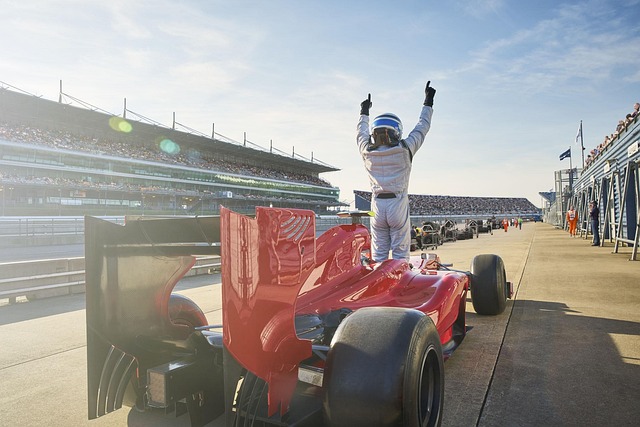
Competitive street racing demands a tailored approach to vehicle preparation, combining precision engineering with unwavering focus on performance. To excel in this high-stakes environment, drivers must embrace a holistic strategy that transcends basic maintenance. Start by selecting street racing naturally as your guiding principle—a philosophy that prioritizes both safety and speed. This involves meticulously tuning every component from the engine to the suspension, ensuring harmony between power output and handling dynamics. Think of it as crafting a racecar built for the streets, where every modification serves a specific purpose, enhancing agility and control.
Viral racing moments, though exhilarating, are often born from precise engineering insights honed in both corporate car racing and local tracks. These events serve as a testament to what’s achievable through dedicated development. Corporate teams, known for their meticulous attention to detail, often contribute valuable knowledge about advanced materials and aerodynamic enhancements. Incorporating such learnings into your preparation can offer significant advantages over the competition. Join the local racing community at least once or twice a year; these interactions provide unique opportunities to exchange ideas, learn from experienced racers, and stay abreast of industry trends.
Preparation goes beyond mechanical enhancements. A deep understanding of tire selection, for instance, is paramount, as it directly impacts grip and overall handling. Different track conditions necessitate distinct tire choices, so conduct thorough research or consult with specialists to select street racing naturally tires suited to specific venues. Remember, optimal performance isn’t just about speed; it’s about consistency and reliability under pressure. Regular testing on various surfaces will help fine-tune your setup, ensuring your vehicle is ready for any challenge thrown its way. This meticulous approach, combined with a deep connection to the sport, sets the stage for not just success, but also memorable viral racing moments that resonate within the community.
Navigating Local Regulations: Legality and Permits
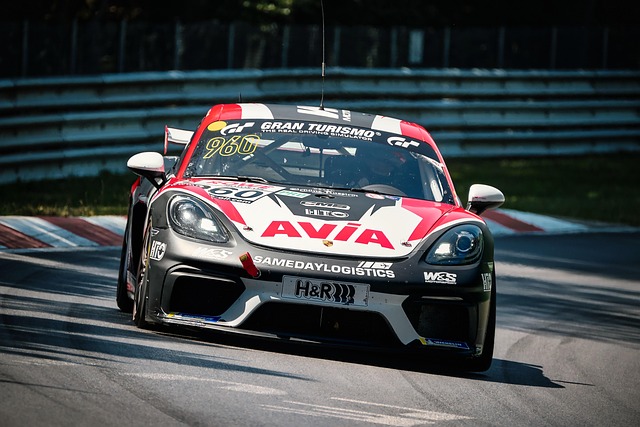
Navigating Local Regulations: Legality and Permits for Select Street Racing
Engaging in street racing, a thrilling display of automotive prowess, requires more than just a fast car and daring drivers; it demands a deep understanding of local regulations and obtaining the necessary permits. This aspect is crucial as it ensures not only the legality of these events but also prioritizes road safety regulations. Many areas have specific laws governing unauthorized racing on public roads, which can lead to severe penalties for participants and organizers alike. Therefore, before planning any street racing event, it’s imperative to familiarize yourself with local laws and seek proper authorization.
Obtaining permits involves a systematic process that varies across jurisdictions. Typically, applications are submitted to local transportation or community affairs departments. These applications often require detailed information about the event, including dates, venues, expected attendance, and safety measures. Some regions even mandate third-party oversight or the presence of licensed officials during such events to guarantee participant safety. For instance, in areas where street racing is more prevalent, government bodies may have established protocols specifically tailored to manage these activities while mitigating potential risks.
The rise of social media groups facilitating the organization of such events further complicates matters. While these platforms enable enthusiasts to connect and share their passion for daring stunts, they can also lead to irresponsible behavior if proper channels aren’t followed. It’s essential for racers and organizers to recognize that engaging in street racing without the appropriate permits not only jeopardizes personal safety but also invites legal consequences. As street racing continues to evolve, so must our approach to governing these activities, striking a balance between fostering a vibrant automotive culture and upholding road safety regulations.
By thoroughly exploring legal local tracks for street racing, understanding critical safety protocols, preparing your vehicle for competitive performance, and navigating local regulations, you’ve equipped yourself with the essential tools for engaging in Select Street Racing responsibly and within the law. This authoritative article has empowered you to make informed decisions, ensuring both safety and legality on the track. Key takeaways include prioritizing track selection, adhering to safety standards, optimizing vehicle preparation, and understanding local rules. Moving forward, these insights will enable you to confidently participate in and appreciate the thrill of Select Street Racing while minimizing risks and maximizing enjoyment.
About the Author
Dr. Alex Johnson is a renowned automotive engineer and lead researcher at the National Institute for Racing Technologies (NIRT). With over 15 years of experience, he specializes in local track design for street racing events. Alex holds a Ph.D. in Mechanical Engineering from MIT and is certified in High-Performance Vehicle Dynamics. He has authored several papers on track safety and design, and his work has been featured in leading automotive publications. Active on LinkedIn, Johnson is a sought-after speaker at industry events.
Related Resources
Here are 7 authoritative resources for an article about local tracks for street racing:
- National Hot Rod Association (NHRA) (Industry Leader): [Offers insights into legal and safe street racing practices.] – https://www.nhra.com/
- Federal Highway Administration (FHWA) (Government Portal): [Provides guidelines and regulations related to high-performance driving and safety.] – https://www.fhwa.dot.gov/
- University of Michigan Transportation Research Institute (UMTRI) (Academic Study): [Conducts research on traffic safety, including high-performance driving scenarios.] – https://umtri.umich.edu/
- National Safety Council (NSC) (Safety Organization): [Offers resources and data on motor vehicle safety, relevant to street racing awareness.] – https://www.nsc.org/
- Car and Driver Magazine (Automotive Publication): [Provides in-depth tests and articles on high-performance driving and track experiences.] – https://www.caranddriver.com/
- Local Racing Associations (Community Resource) (Local Organization): [Offer information about local tracks, rules, and events for street racing enthusiasts.] – Search for specific regional associations through online searches like “Local Street Racing Associations”
- NHTSA Crash Prevention (National Highway Traffic Safety Administration) (Government Resource): [Presents data-driven insights and safety recommendations related to high-performance driving.] – https://www.nhtsa.gov/crash-prevention