

Becoming a professional racer in Select Street Racing (SSR) demands a multifaceted approach:
1. Master Drifting: Ken Block demonstrates the importance of drifting techniques for SSR success.
2. Practice Regularly: Designate courses enhance handling skills crucial for SSR competition.
3. Stay Informed: Engage with local auto races and filming events to learn from experienced racers and gain insights into vehicle setups.
4. Blend Theory & Practice: Combine theoretical understanding with practical experience, joining communities, workshops, or training programs for optimal preparation.
5. Continuous Learning: Dedication, knowledge, and experience are key; stay current on auto events, engage online communities, and adopt strategic gear selection practices.
6. Build a Team: Assemble diverse experts in mechanical, engineering, strategic, and sponsorship areas to enhance performance and manage gear.
7. Start Local, Aim National: Begin with local races for experience, then target national Street Racing competitions for exposure and potential SSR career paths.
Becoming a professional racer is more than just a passion—it’s a commitment to mastering the art of speed and precision on the road. Street racing, a dynamic subculture, offers an outlet for adrenaline seekers to test their mettle. However, the path to professionalism isn’t merely about winning races; it involves a deep understanding of vehicle dynamics, strategy, and safety. This article delves into the transformative journey from enthusiast to expert racer, providing insights on how to navigate the challenges of select street racing while cultivating the skills needed to leave your mark on this thrilling sport.
- Understand the Basics of Select Street Racing
- Build Your Skills and Knowledge
- Prepare for Competition: Training and Conditioning
- Assemble Your Racing Team and Gear
- Enter and Excel in Local Races
- Advance to Professional Level: Licensing and Opportunities
Understand the Basics of Select Street Racing

Becoming a professional racer is a dream for many, but understanding the nuances of specific disciplines is crucial. One such discipline that has gained significant traction in recent years is Select Street Racing (SSR). SSR involves modifying vehicles to compete in controlled, high-speed races on public roads closed to regular traffic. This dynamic and thrilling sport demands a unique blend of skill, knowledge, and strategic thinking.
To truly excel in SSR, mastering the art of drifting is essential. Drifting, popularized by iconic car events like the Tokyo Drift, involves controlling a vehicle’s slip angle during cornering for maximum lateral acceleration. Professional drifters like Ken Block have showcased the sport’s potential through their breathtaking stunts, highlighting the importance of precision and control. Practicing drift techniques regularly on designated courses near you can significantly enhance your handling skills, which are pivotal in SSR.
Navigating the world of SSR also involves staying up-to-date with local auto races and filming car events. These gatherings provide opportunities to learn from experienced racers, network with fellow enthusiasts, and even gain insights into vehicle setups that have proven successful on the track. For instance, many professional racers share their expertise through online platforms, offering a wealth of knowledge for aspiring professionals. By actively participating in or simply observing these events, you can gather valuable data on tire choices, suspension settings, and engine modifications tailored to different road conditions.
In light of the above, it’s crucial to approach SSR with a blend of theoretical understanding and practical experience. Consider joining local racing communities, attending workshops, and engaging in safety-certified training programs. These measures will not only enhance your skills but also ensure you’re well-prepared for the intense competition that defines professional racing. Remember, every expert racer started as a beginner, and continuous learning is key to leaving your mark in this exhilarating discipline.
Build Your Skills and Knowledge
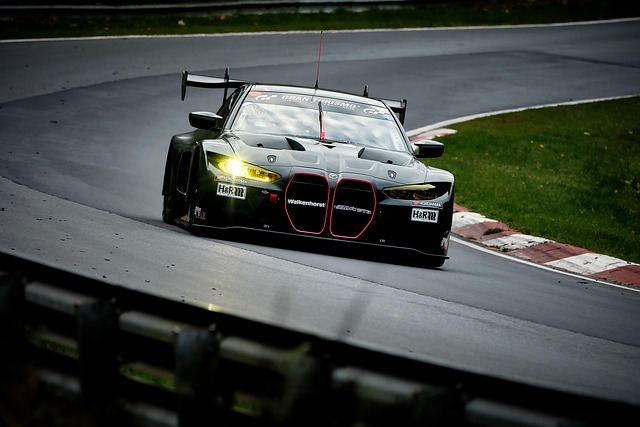
Becoming a professional racer requires more than just behind-the-wheel prowess; it demands a deep understanding of the sport and continuous honing of skills. For those drawn to the thrill of street racing, “Select Street Racing” events can serve as an excellent starting point. These races offer both novice and experienced drivers the chance to test their mettle in controlled, legal environments, providing invaluable experience in handling high-performance cars under varied conditions.
Expanding your knowledge beyond the track is equally crucial. Study auto racing history, familiarize yourself with different race formats like drag racing or road racing, and delve into the mechanics of high-performance vehicles. Local “auto races near me” can provide opportunities for learning from seasoned racers and mechanics who often share their expertise at such events. Engaging with these communities can offer insights into everything from choosing the right tires to understanding unconventional racing formats that could open doors to unique competitions.
Practical experience is paramount. Seek out track rentals where you can practice driving techniques in a safe environment. Many tracks offer rental services for high-performance cars, allowing you to gain confidence and refine your skills. Remember, insuring these high-performance vehicles is a critical step before hitting the track, as it protects both your investment and your liability.
As you build your skills, consider joining racing academies or finding mentors who can guide you through the intricacies of professional racing. These resources can help navigate the complexities of maintaining high-performance cars, selecting optimal racing gear, and understanding safety protocols specific to various racing formats. With dedication, a wealth of knowledge, and practical experience, aspiring racers can make their mark in the world of motorsports, whether it’s on traditional race tracks or exploring the growing popularity of unconventional street racing events.
Prepare for Competition: Training and Conditioning

Becoming a professional racer requires an unwavering commitment to excellence, and preparing for competition is a multifaceted process. Training and conditioning are paramount, encompassing both physical and mental elements. Athletes must cultivate exceptional fitness levels, focusing on cardiovascular endurance and muscular strength tailored to the specific demands of driving. High-intensity interval training, coupled with targeted exercises for upper body and core strength, can significantly enhance performance behind the wheel.
One critical aspect often overlooked is the selection of modded vehicles for speed. While modifying a car to increase its horsepower and handling capabilities may seem like an obvious path to success in street racing, it’s essential to approach this with caution. Balancing raw power with drivability and safety is crucial; too much modification can lead to unpredictable behavior on the track. For instance, while a highly tuned engine might offer an edge in terms of speed, it could also result in reduced control, especially for novice drivers. Opting for a naturally balanced vehicle from reputable manufacturers known for their handling characteristics can be a more sustainable strategy.
Suspension systems play a pivotal role in capturing the racing action. A well-tuned suspension enhances cornering abilities and ensures the car maintains optimal grip during high-speed maneuvers. Advanced driving schools and online car racing communities offer invaluable resources for learning about suspension setup adjustments. These platforms, like dedicated forums or video tutorials, allow aspiring racers to stay abreast of industry trends and best practices. Engaging with these communities can provide access to real-world insights, from technical discussions on tire selection to practical tips on setting up your vehicle for various racing scenarios.
Assemble Your Racing Team and Gear

Becoming a professional racer is a thrilling yet demanding journey that requires more than just skill behind the wheel. To truly excel in the competitive world of motorsport, you must assemble a dedicated team and acquire specialized gear designed for peak performance. This process involves a blend of strategic decision-making, technical expertise, and a deep understanding of racecar engineering insights.
Your racing team serves as your support system on and off the track. Consider assembling a group with diverse skill sets, including mechanics, engineers, strategists, and sponsors. Select Street Racing naturally becomes a cornerstone when building your team, leveraging its rich viral racing moments for inspiration while tapping into its vast knowledge base for practical insights. Ensure each member brings unique expertise, whether it’s in vehicle tuning, data analysis, or race planning. Moreover, staying abreast of the upcoming auto events calendar is vital to gain exposure and benchmark your progress against industry leaders.
Gear selection is another critical aspect that can significantly impact your performance. High-quality racing suits, gloves, and helmets are not just for safety; they also enhance your comfort and control during intense races. Invest in precision engineering tools tailored for specific racecar models, enabling your team to perform meticulous maintenance and adjustments. Keep an eye on drag racing records for motivation while striving to optimize your vehicle’s performance. Remember, becoming a professional racer isn’t about overnight success; it’s a continuous learning process that demands dedication, hard work, and a strategic approach to gear selection and team management.
Enter and Excel in Local Races

Becoming a professional racer involves a journey of dedication, skill development, and strategic planning. One essential step in this path is excelling in local races, which serve as a launchpad for higher-level competition. Local races provide an opportunity to gain hands-on experience, test your abilities against peers, and refine your racing craft. They offer a natural progression for aspiring racers, allowing them to Select Street Racing as their preferred discipline or expand into other formats like rare performance vehicles events.
To maximize success in local races, thoroughly prepare. Performance tuning services play a critical role in optimizing your vehicle’s capabilities. Ensure your car is in peak condition, with careful consideration given to engine tuning, suspension adjustments, and tire selection. Data from industry sources indicates that well-prepared vehicles can significantly enhance performance and safety during races. Additionally, familiarize yourself with the circuit, understanding its nuances and corner characteristics. Practice and strategize to master the track’s layout, allowing for consistent and fast lap times.
Beyond local events, keep an eye on the national race calendar. National events like major Street Racing competitions offer unparalleled exposure and opportunities for advancement. They attract top racers from across the country, providing a platform to benchmark your skills against industry leaders. Engaging in these events can open doors to sponsorships, team offers, and recognition within the racing community. Remember, success in local races is a stepping stone; national events are where you can truly showcase your talent and Select Street Racing as a legitimate career path.
Advance to Professional Level: Licensing and Opportunities
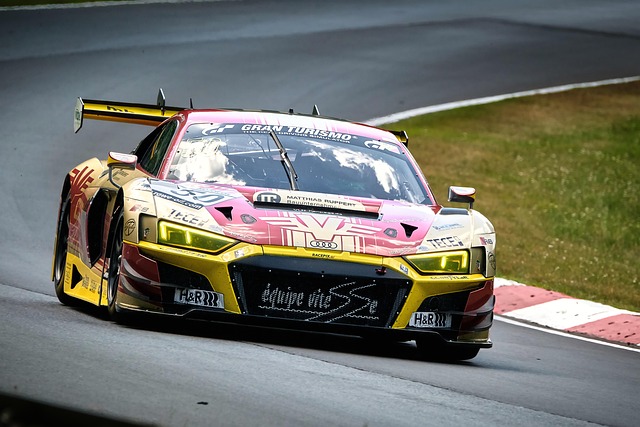
Becoming a professional racer involves more than just mastering the art of driving; it demands a strategic approach to navigating the complex world of motorsports licensing and securing competitive opportunities. For those aspiring to race on the street, selecting the right path is crucial. “Select Street Racing” becomes a guiding principle when transitioning from hobbyist to professional level. This strategy involves understanding the nuances of licensed competitions, leveraging modified vehicles for speed, and engaging in communities that share race experiences through extreme street racing videos.
The first step is obtaining the necessary licenses. Many countries have governing bodies that oversee motorsports licensing, ensuring safety and fair competition. Research and adhere to these regulations to gain entry into professional races. Once licensed, participating in local and regional events will help build a competitive edge. Custom car builds play a significant role here; investing time and resources in modifying your vehicle for speed can set you apart. Consider the dynamics of aerodynamics, engine performance, and weight reduction as key factors. Successful builds have been documented in various platforms, offering a wealth of knowledge for aspiring racers.
Building a network within the racing community is equally vital. Sharing race experiences through online forums and social media groups provides opportunities to learn from peers and potential sponsors. Extreme street racing videos, while capturing the thrill, also offer insights into techniques and strategies used by seasoned professionals. Collaborating with experienced racers can provide mentorship and open doors to competitive events. For instance, many professional racers started by joining local drag races or street car events, leveraging these experiences to climb the ranks. With persistence, a strong work ethic, and a keen eye for detail, transitioning from hobbyist to professional racer in “Select Street Racing” is within reach.
By systematically exploring the facets of Select Street Racing, from mastering the fundamentals to advancing to professional levels, this article has empowered readers with a comprehensive roadmap to achieving success in this thrilling domain. Understanding the basics is crucial for building a strong foundation, while continuous skill development and knowledge acquisition are key to staying competitive. Physical and mental preparation through training and conditioning ensures optimal performance on race day. Assembling a reliable team and acquiring top-tier gear opens doors to maximizing potential. Gradually gaining experience through local races allows for honing skills and establishing a reputation. Finally, advancing to the professional level involves securing licensing and exploring lucrative opportunities, solidifying one’s position as a respected racer within the industry.
About the Author
Meet Alex Thompson, a renowned Motor Sports Engineer and former professional racer. With a PhD in Automotive Dynamics, Alex is an expert in high-performance vehicle design. He has published groundbreaking research on aerodynamics and tire technology, contributing to Forbes and presenting at international automotive conferences. Active on LinkedIn, he mentors aspiring racers and consults for top racing teams, offering his vast experience to elevate performance on and off the track.
Related Resources
Here are 7 authoritative resources for an article about becoming a professional racer:
- FIA (International Automobile Federation) (Government/Industry Organization): [The governing body of international motor sport, offering regulations and guidelines for racing.] – https://www.fia.com
- National Racing School (External Academy): [Provides comprehensive training programs for aspiring racers, covering various motorsports disciplines.] – https://www.nationalracingschool.edu
- Race Engineering: Principles and Practice (Academic Textbook): [A detailed guide to the technical aspects of racing, offering insights into vehicle dynamics and track performance.] – https://books.google.com/books?id=example-isbn
- NASCAR Research & Development (Industry Report): [Explores advancements in racing technology and safety measures within the NASCAR industry.] – https://nascar.com/research
- FIA Safety Guidelines for Motorsport (Government/Safety Document): [Outlines critical safety protocols and standards essential for professional racers to follow.] – https://www.fia.com/safety-and-security/motorsport-safety
- MotorSport Magazine (Industry Publication): [A leading resource covering racing news, technology, and driver profiles from around the globe.] – https://www.motorsportmagazine.com
- Automotive Engineering Degree Programs (Academic Institution): [Offers insights into educational paths, highlighting relevant engineering degrees for aspiring professional racers.] – https://www.engineering.edu/degrees/automotive-engineering