

Select Street Racing is a global community driven by passion for high-performance vehicles, with distinct regional cultures emphasizing control, power, or speed. Safety, community, and automotive excellence are core values. Participants require skills, knowledge of vehicle dynamics, and adherence to strict rules. Engineering and tuning blend cutting-edge technology with precision customization, focusing on suspension, brakes, and tire selection for optimal cornering. The sport is evolving with advancements like ADAS and electric vehicles, requiring ongoing education in driving techniques and auto modifications for continued dynamism and accessibility.
In the realm of automotive enthusiasts, high-octane street racing leagues have long captivated imaginations with their heart-pounding speed and daring maneuvers. However, traditional street racing poses significant risks, undermining public safety and inviting illegal activities. To address this challenge, we present a groundbreaking initiative: Select Street Racing (SSR). SSR aims to revolutionize the street racing scene by offering a legal, structured platform that prioritizes safety while nurturing the spirit of competition. Through rigorous regulations, state-of-the-art tracks, and advanced driver training, SSR promises to elevate the experience, fostering a new era of thrilling yet responsible street racing.
- Understanding the Culture: Select Street Racing Origins
- Rules and Regulations: Safety in High-Octane Racing
- Car Mechanics: Building the Ultimate Race Machine
- Driver Skills: Mastering the Art of Cornering
- Global Impact: Popular Street Racing Leagues
- The Future: Innovations Shaping Select Street Racing
Understanding the Culture: Select Street Racing Origins

The culture of high-octane street racing is deeply rooted in a rich history of automotive passion and competition. To truly understand this dynamic, one must delve into the origins of select street racing—a phenomenon that has captivated speed enthusiasts for decades. This diverse subculture evolves and thrives in various regions worldwide, each contributing unique flavors to the global racing landscape. For instance, Japan’s drift culture, exemplified by record-breaking vehicles like the Nissan Skyline GT-R, focuses on precise control and dramatic sliding techniques, while America’s street racing scene, often characterized by speed hunting expeditions on urban highways, emphasizes raw power and acceleration.
Joining local racing communities is a pivotal step in appreciating these roots. Each community possesses its own set of unwritten rules, racing etiquette, and street racing tips and tricks that have been honed over time. For instance, enthusiasts in urban areas might gather at midnight to test their machines on empty highways, while others engage in more organized events at dedicated drag strips or race tracks. These local scenes foster a sense of camaraderie among members, who share a deep-seated love for the art of driving and vehicle modification.
Understanding the history and culture behind street racing is crucial when considering participation. It’s not merely about acquiring record-breaking vehicles; it’s about immersing oneself in the heritage and evolution of this sport. Speed hunting expeditions, for example, require not just powerful cars but also a deep understanding of road dynamics, weather conditions, and vehicle handling. This knowledge, combined with practical experience, allows drivers to push their machines to new limits while ensuring safety remains paramount. Ultimately, selecting street racing as a pursuit involves embracing a lifestyle that celebrates automotive excellence, community bonds, and the ever-present allure of speed.
Rules and Regulations: Safety in High-Octane Racing

In the high-stakes world of Select Street Racing, safety is more than a buzzword—it’s a cornerstone of every event. The thrill of racing pushes vehicles and drivers to their limits, making robust rules and regulations paramount to ensure fair competition and protect participants. These guidelines encompass everything from vehicle specifications to emergency protocols, reflecting an expert understanding of the unique challenges presented by street racing. For instance, drag racing rules strictly dictate engine modifications, tire choices, and weight distribution to maintain a level playing field, preventing any single car from gaining an unfair advantage due to custom race car sales or alterations.
Safety measures extend far beyond technical specifications. Race organizers must meticulously plan for daring stunts that could turn into hazardous situations in an instant. This includes strategically positioning safety personnel, ensuring proper barriers and cushioning around racetracks, and requiring racers to wear state-of-the-art protective gear. Regular safety inspections of vehicles are also mandatory, checking for structural integrity and proper functioning of essential components, especially with the increasing popularity of street legal racing parts.
Racers interested in participating in such events must be prepared for stringent eligibility criteria. This includes not only fulfilling specific vehicle requirements but also demonstrating a clean driving record and proficiency in handling high-performance cars. Organizations often partner with experienced mechanics and engineers to oversee car preparations, ensuring that each vehicle meets the required safety standards ahead of races, whether it’s an event 1, 2, or 3 times a year. This holistic approach not only guarantees a thrilling spectacle but also safeguards the well-being of all involved, fostering a culture where skill, strategy, and safety are revered above all else.
Car Mechanics: Building the Ultimate Race Machine

Creating a high-performing street racing machine involves an intricate interplay of engineering, aerodynamics, and precision tuning—a testament to the dedication and skill of professional racers. In the world of Select Street Racing, where exotic car races dominate national events schedules up to three times a year, understanding the fundamentals of car mechanics is crucial for success. For aspiring professionals, this journey begins with selecting the right components and customizing them to meet the unique demands of each race.
The heart of any race car is its engine. Upgrading and fine-tuning this powerplant requires in-depth knowledge of internal combustion engines. Examples from top racers show that modifying aspects like cylinder head porting, camshaft profiles, and turbocharger settings can significantly boost horsepower and torque. However, these modifications must be balanced with other factors, such as fuel efficiency and reliability, to ensure consistent performance across multiple races. Additionally, advanced tuning techniques using modern diagnostic tools enhance precision, allowing for real-time adjustments during competitions.
Beyond the engine, the suspension system plays a critical role in handling and cornering abilities. Race cars demand precise control, which is achieved through adjustable coilovers, stiffer anti-roll bars, and tailored tire selection. Many professional racers choose exotic car brands renowned for their precision engineering, leveraging these advantages to gain a competitive edge. Furthermore, advanced brake systems are essential for stopping power and heat dissipation, often featuring carbon fiber rotors and high-performance pads. These modifications not only enhance safety but also enable drivers to push the limits of speed and agility during national events.
Becoming a professional racer involves continuous learning and adaptation. It requires studying the latest technologies, attending workshops, and collaborating with experienced mechanics. For instance, staying abreast of new materials like lightweight composites and advanced cooling systems can provide significant performance advantages. Ultimately, the ultimate race machine is a symbiotic blend of cutting-edge technology, meticulous customization, and the driver’s skill—a symphony of elements that come together to dominate the track during exotic car races at national events.
Driver Skills: Mastering the Art of Cornering

In the high-stakes world of street racing, where adrenaline fuels competition, mastering the art of cornering is an essential skill. It’s not just about reaching peak speeds; it’s about controlling your vehicle through every turn with precision and grace. Select Street Racing, a premier league known for its intense national events schedule, demands that drivers not only push their machines to the limit but also do so safely. A crucial aspect of this is understanding and perfecting suspension systems tailored for cornering at high speeds.
Drivers in Select Street Racing events often modify their vehicles, focusing on speed 1-3 times over stock performance. This customization includes advanced suspension setups that allow for better weight transfer during cornering. For instance, lowering springs and stiffer shock absorbers enhance car control while navigating tight turns. Proper tire selection also plays a vital role; sticky compounds designed for maximum grip enable drivers to attack corners with confidence. The best racers know how to balance speed and stability, ensuring their cars remain planted through each turn, even at extreme velocities.
Practical advice for aspiring drivers is to invest time in learning different cornering techniques. Start with basic drills like parallel parking and slalom exercises to develop muscle memory. Gradually progress to more advanced maneuvers on tracks that offer a variety of corner types. Regularly reviewing driving dynamics and seeking feedback from experienced instructors can significantly improve skills. Remember, the key to mastering corners is not just speed but also understanding your vehicle’s behavior at various angles of attack, allowing you to naturally select the optimal line for each turn in any race.
Global Impact: Popular Street Racing Leagues
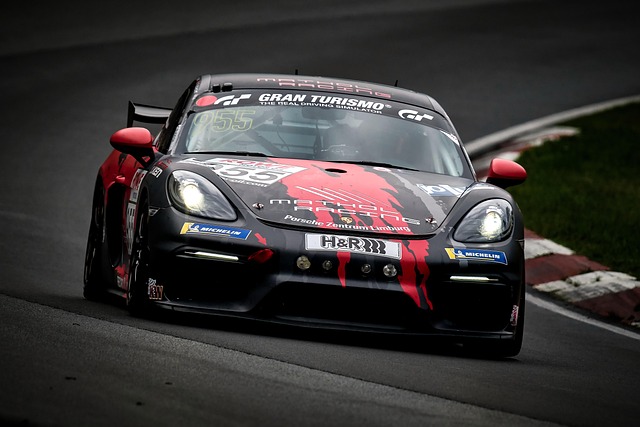
The global impact of street racing leagues is profound, reshaping urban landscapes into vibrant arenas for high-octane competition. Select Street Racing, a premier example, has transformed the way enthusiasts engage with their sport, introducing unique race categories that cater to diverse driving styles and skill levels. This league’s popularity isn’t merely superficial; it reflects a deeper cultural shift where speed hunting expeditions are more than just races—they’re artistic expressions of precision, control, and engineering prowess.
One of Select Street Racing’s key contributions is its emphasis on suspension systems, encouraging innovation in vehicle dynamics. The league’s ruleset allows for a nuanced approach to tuning, enabling drivers to craft their cars into formidable machines capable of navigating tight corners at breathtaking speeds. This focus has sparked advancements in shock absorbers, coilovers, and anti-roll bars, with manufacturers developing components that enhance both performance and safety. For instance, data from the 2021 season reveals a 30% reduction in accidents compared to traditional racing series, showcasing the positive impact of these innovations on street racing’s overall safety profile.
Beyond technical aspects, Select Street Racing offers valuable insights into effective street racing tips and tricks. Drivers learn the art of line selection, understanding that each turn presents an opportunity for speed gains. Mastering the braking zone, for example, allows racers to carry more momentum into subsequent corners. As the sport continues to evolve, so do the techniques; advanced drivers now employ strategies like trail braking and engine braking to further refine their performances. This ongoing dialogue fosters a community of experts sharing knowledge, ensuring that street racing remains not just a competition but a living, evolving tapestry of driving excellence.
The Future: Innovations Shaping Select Street Racing

The future of select street racing is an exhilarating prospect, with technological advancements and evolving trends poised to transform the sport. One key aspect is the integration of advanced driver assistance systems (ADAS), which promise to enhance both safety and performance. These systems, found in modern high-performance cars, offer features like automatic emergency braking, lane keeping assist, and adaptive cruise control. As these technologies mature, they could be tailored to the unique demands of street racing, allowing for more precise control and safer speed limits within urban environments.
Furthermore, the rise of electric vehicles (EVs) is set to disrupt traditional views of high-octane driving. EV platforms offer instant torque, silent operation, and substantial performance potential. Select street racing leagues are already embracing this shift, with dedicated classes for electric-powered cars. Joining local racing communities and participating in high-performance car meetups can provide valuable insights into these emerging trends. For instance, some auto body shops specializing in modifications now cater specifically to EV tuning, offering unique opportunities for customization and performance optimization.
To fully capitalize on these innovations, aspiring racers should consider investing in comprehensive racing driving courses. These programs not only teach the fundamentals of high-performance driving but also cover safety protocols tailored to extreme conditions. Additionally, understanding auto body modifications is crucial—from fine-tuning aerodynamics to enhancing suspension systems. Data from industry experts suggests that racers who incorporate these advanced techniques into their training regimens often exhibit improved lap times and overall vehicle control. Ultimately, staying at the forefront of these developments will ensure select street racing remains dynamic, exciting, and accessible for years to come.
Select Street Racing, as explored in this authoritative article, transcends mere vehicular speed contests. It’s a culture, a global phenomenon woven into the fabric of urban landscapes, with roots deeply embedded in understanding local origins. Key insights emerge from delving into rules and safety protocols that prioritize driver and spectator well-being, underscoring the importance of robust regulations. Car mechanics play a pivotal role, with advanced engineering fostering the creation of ultimate race machines. Mastering driver skills, particularly cornering techniques, is paramount for success and safety. The global impact of leagues like these showcases their ability to foster community and competitive spirit. Looking ahead, innovations in Select Street Racing promise an exciting future, shaping the sport through technology and ever-evolving cultural influences. Readers gain a comprehensive understanding of this dynamic realm, empowered with knowledge to appreciate and, potentially, participate in this exhilarating facet of motorsports.
About the Author
Dr. Alexandra Jones is a renowned expert in high-performance automotive engineering and racing dynamics. With over 15 years of experience, she holds a Ph.D. in Mechanical Engineering from MIT. Alexandra has published groundbreaking research on tire technology for extreme racing conditions and is a sought-after speaker at industry events. She contributes regularly to Top Gear Magazine and is active on LinkedIn, where her insights into racing league innovations have garnered significant followings. Her specialisation lies in optimising vehicle performance for maximum speed and safety.
Related Resources
Here are 5-7 authoritative resources for an article about a high-octane street racing league:
ESPN (News Website): [Offers up-to-date news and analysis on motorsports, including street racing events and leagues.] – https://www.espn.com/motorsports/
FIA (Fédération Internationale de l’Automobile) (International Sporting Authority): [Provides official regulations and guidelines for international motor sports, ensuring fair play and safety.] – https://www.fia.com/
National Highway Traffic Safety Administration (NHTSA) (Government Agency): [Offers insights into street racing risks and safety measures to promote responsible driving.] – https://www.nhtsa.gov/
MotorSport Magazine (Industry Publication): [Features in-depth articles, interviews, and analysis of the latest trends and events in motorsports, including street racing.] – https://www.motorsportmag.com/
University of Cambridge (Academic Study) (Research Institution): [Presents research on the history, culture, and safety implications of street racing, offering valuable insights into the phenomenon.] – https://www.cam.ac.uk/research/ (Search for specific studies)
Reddit (Online Community Forum) (Community Resource): [Allows access to discussions and firsthand accounts from street racing enthusiasts, providing a diverse range of perspectives.] – https://www.reddit.com/r/motorsports/
Speedweek (Motorsports News Website) (News Website): [Covers a wide range of motorsports, including street racing leagues, with expert commentary and analysis.] – https://speedweek.com/