

Select Street Racing, involving modified high-performance cars raced on public roads or tracks, presents significant legal, safety, and societal challenges. Key considerations include specialized insurance, strict adherence to regulations for equipment and vehicle modifications, regular inspections, and emergency preparedness. Organizers must prioritize education, safe driving practices, and collaboration with authorities to redirect passion into controlled, regulated competitions, mitigating risks while preserving the thrill of high-performance motoring.
Select Street Racing has emerged as a significant phenomenon, capturing the attention of both enthusiasts and authorities alike. While it offers an exhilarating display of automotive prowess, it also presents formidable safety concerns on public roads. This article delves into the intricate world of Select Street Racing, exploring its cultural significance, potential risks, and most importantly, proposing innovative strategies to mitigate these dangers. By examining the underlying motivations and identifying appropriate solutions, we aim to provide valuable insights for both participants and regulators, ensuring this unique form of racing can be enjoyed responsibly.
- Understanding Select Street Racing: Origins and Legal Implications
- The Equipment Essential for Safe and Responsible Participation
- Navigating Risks: Insurance and Safety Measures in Street Racing
- Community Impact and Ethical Considerations of This Extreme Sport
Understanding Select Street Racing: Origins and Legal Implications

Select Street Racing, a phenomenon that emerged from the passion for speed and automotive excellence, has evolved into a complex subculture with significant legal and safety implications. This form of motoring involves modifying rare performance vehicles and engaging in high-speed driving on public roads or, more commonly, purpose-built off-road racing circuits. The allure lies in the thrill of pushing these machines to their limits, showcasing engineering prowess, and cultivating a sense of community among enthusiasts.
The origins can be traced back to the late 20th century when automotive culture began to diverge from traditional racing tracks, seeking more unconventional venues. Public roads, with their mix of urban and rural landscapes, offered both challenge and legal gray areas. Initially, select street racing was a clandestine affair, attracting a dedicated few who sought to escape the constraints of official racing circuits. Over time, as popularity grew, so did the need for structured events, leading to the establishment of dedicated off-road racing circuits designed to accommodate these extreme tests of automotive capability and driver skill.
However, the very nature of select street racing presents a challenge to road safety regulations, which are primarily designed for conventional traffic flow. The high performance vehicles used in these races often possess powerful engines, advanced aerodynamics, and specialized tires, making them significantly different from everyday road cars. This divergence raises concerns about driver safety, public risk, and the potential for damage to both vehicles and infrastructure. Legal implications arise from the unauthorized use of public roads, leading to fines, impoundment, and even criminal charges in some jurisdictions. To mitigate these risks, racing enthusiasts and organizers must prioritize education, adherence to local regulations, and promoting safe driving practices tailored to this unique form of motorsport.
The Equipment Essential for Safe and Responsible Participation
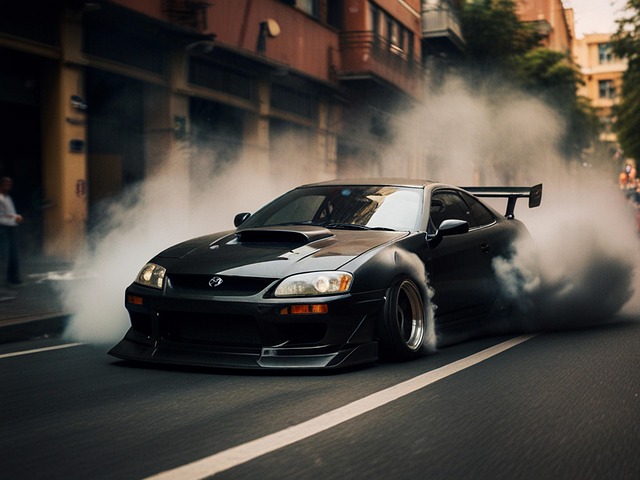
Engaging in select street racing requires a comprehensive understanding of the equipment essential for safe and responsible participation. This isn’t just about high-performance vehicles; it encompasses a range of tools and gear designed to enhance safety, performance, and compliance with legal standards. For instance, top-tier tires specifically tailored for racing offer optimal grip and handling, while advanced brake systems ensure precise control during high-speed maneuvers. In fact, according to industry experts, proper braking equipment can significantly reduce the risk of accidents in competitive auto races near me.
Vintage racers also have unique requirements, as they often rely on original or restored parts that might not meet modern safety standards. In such cases, utilizing period-appropriate safety gear like vintage racing helmets and fire suits becomes crucial. These items, available through specialized forums for street racers, play a vital role in mitigating risks specific to classic car races. Moreover, regular maintenance of racing equipment is paramount; a well-serviced vehicle not only performs better but also ensures the safety of all participants.
Safety isn’t solely about equipment; it’s also about adhering to best practices and regulations. Using approved race tracks designated for auto races near me reduces the risk of legal issues and ensures events are conducted in a controlled environment. Additionally, participating in training sessions offered by professional instructors can provide invaluable insights into accident prevention and advanced driving techniques. This holistic approach not only enhances the enjoyment of select street racing but also fosters a culture of responsible and safe motorsport participation.
Navigating Risks: Insurance and Safety Measures in Street Racing
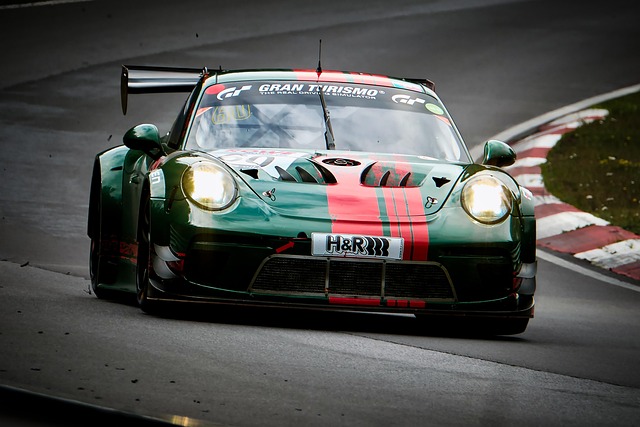
Select Street racing, while offering an exhilarating experience, involves navigating a unique set of risks. As vintage street racing gains popularity with enthusiasts, understanding insurance and safety measures becomes paramount. The nature of this high-performance driving requires specialized coverage to mitigate potential losses. For instance, drag racing rules and regulations vary across regions, but they typically mandate specific safety equipment for drivers, including fire suits, helmets, and restraints. Custom race car owners should also consider comprehensive insurance policies that cover both the vehicle and its unique parts, often hard to replace in the classic market.
Vintage racers, with their timeless allure, command a dedicated following, yet their age presents challenges. Older vehicles may have limited safety features compared to modern racecars, necessitating additional precautions. Drivers involved in select street racing events should be aware of local laws and regulations regarding event insurance and driver liability. For instance, some areas require specific licenses or permits for organized races. Engaging with established vintage street racing communities can provide insights into best practices and recommended carriers for specialized coverage.
Beyond insurance, implementing safety measures is crucial. This includes track preparation, ensuring proper flagging systems, and having emergency response plans in place. Regular vehicle inspections and maintenance are essential to identify potential hazards. For example, drag racing enthusiasts should focus on tire conditions and engine performance to prevent accidents. The importance of these precautions cannot be overstated, especially when considering the high-speed nature of many street racing events. Ultimately, combining robust insurance with meticulous safety protocols ensures a more enjoyable and secure experience for vintage racecar drivers pursuing their passion in select street racing competitions.
Community Impact and Ethical Considerations of This Extreme Sport
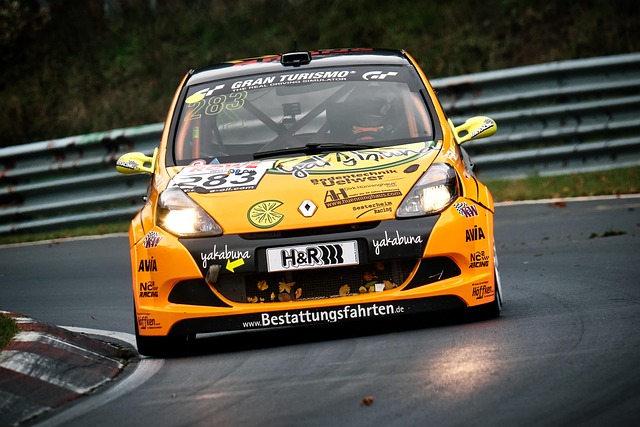
Select Street Racing, while often glamorized, has profound community impacts and ethical dimensions that are rarely discussed openly. This extreme sport attracts enthusiasts who push their vehicles to the limits, showcasing record-breaking performances in auto races near me and drifting competitions worldwide. However, the pursuit of speed and power can lead to significant societal consequences. One of the primary concerns is the safety risk it poses not only to participants but also to bystanders and local communities hosting such events illegally. Unregulated racing on public roads results in increased wear and tear of infrastructure, noise pollution, and potential environmental damage.
The ethical considerations extend beyond immediate dangers. Car tuning competitions, a core aspect of select street racing, often encourage modifications that can reduce vehicle safety standards. The pursuit of aesthetic perfection and enhanced performance through extreme tuning can lead to sacrifices in structural integrity and safety features. Moreover, the illegal nature of such activities creates a culture of defiance against local authorities, hindering efforts to maintain public order and safety.
Addressing these challenges requires a multi-faceted approach involving government agencies, local communities, and racing enthusiasts. Strict enforcement of traffic laws and regulations can deter illegal racing events. Education programs aimed at promoting safe driving practices and the potential risks associated with extreme tuning can foster a more responsible community. Collaborative initiatives between automotive manufacturers and race organizers to host legal, regulated competitions could redirect passion into structured environments, ensuring safety while still allowing enthusiasts to indulge in their love for high-performance vehicles.
Select Street Racing, with its exhilarating yet risky nature, demands a nuanced understanding of its origins, equipment needs, safety protocols, community impact, and ethical boundaries. Key insights reveal that while this extreme sport offers an adrenaline rush, it also carries significant legal implications and inherent dangers. Participants must prioritize responsible behavior by acquiring proper equipment, navigating risks through insurance and safety measures, and recognizing the broader community’s influence. By embracing these principles, enthusiasts can ensure Select Street Racing remains a controlled and safe phenomenon, fostering a balance between thrill-seeking and ethical consideration. This comprehensive exploration equips readers with the knowledge to engage in this sport thoughtfully and contribute positively to its evolving landscape.